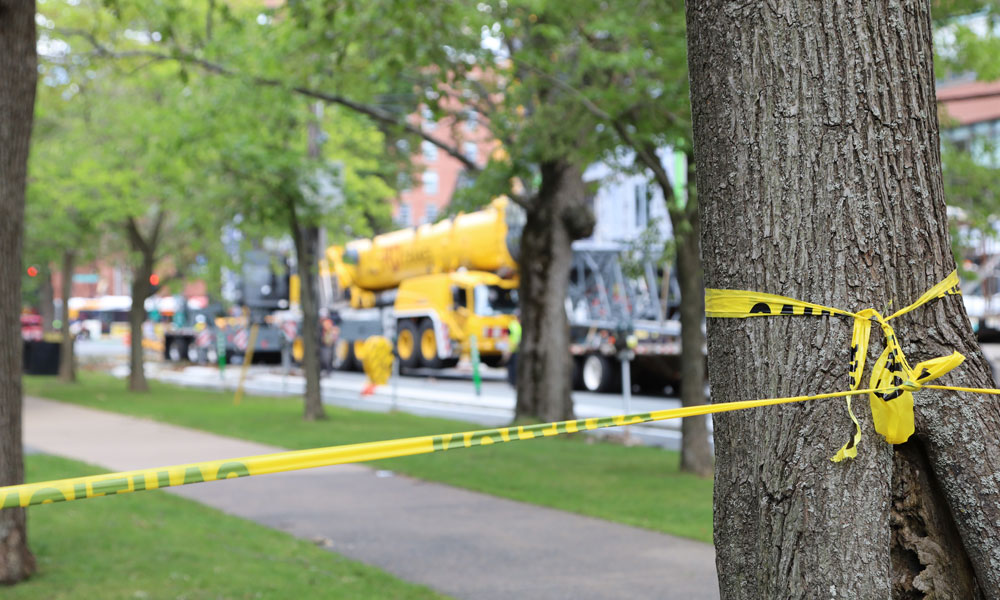
There’s a narrow window when you must act if a tree becomes a safety hazard after storms, root failure, or sudden limb collapse; you should contact certified arborists immediately to assess risk and arrange removal or bracing to protect people, property, and utilities. For guidance on permitted emergency procedures and reporting, consult Emergency Tree Removals and follow local regulations.
Visible signs like a split trunk, large hanging limbs over 4 inches (10 cm) in diameter, or cracks that expose inner wood often indicate imminent failure. A sudden lean change greater than 15° after a storm, soil heaving around the root plate, or mushrooms at the base (fungal conks) mean structural support is compromised and you should treat the tree as an immediate hazard.
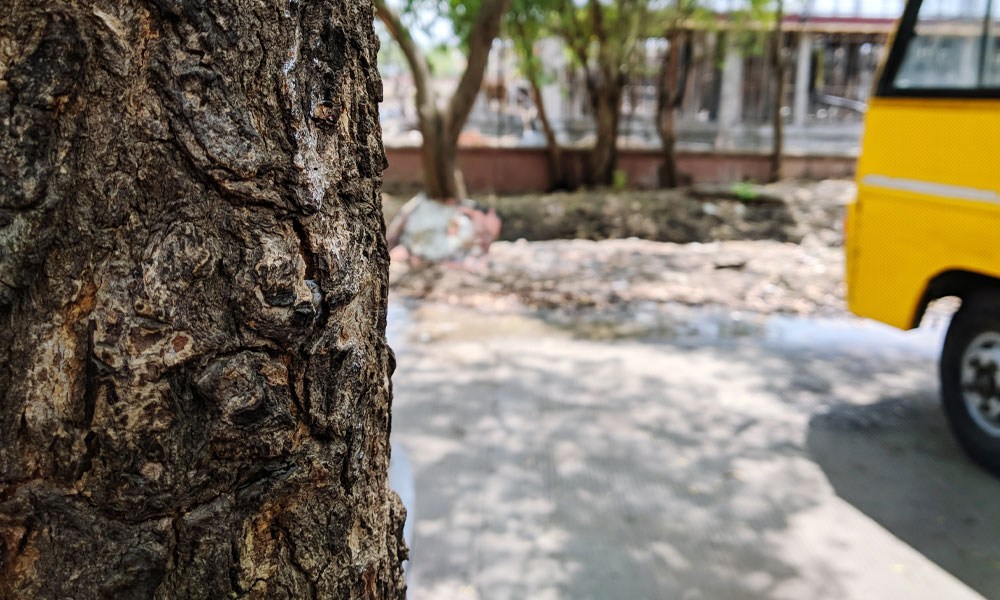
Wood-boring insects leave frass, D-shaped exit holes or serpentine galleries; fungal conks (Ganoderma, Armillaria) at the trunk base signal internal decay. Rapid canopy dieback exceeding 30% within a season, oozing sap, or extensive bark beetle activity are warning signs that the tree’s strength is reduced and emergency intervention is likely needed.
For example, emerald ash borer produces 2-3 mm D-shaped holes and can kill an ash in 2-4 years; systemic insecticides work best within 30-60 days of detection. You can request diagnostic tests-resistograph, sonic tomography or increment cores-to quantify decay: if decay affects over about 50% of the cross-section, removal is usually the safest option.
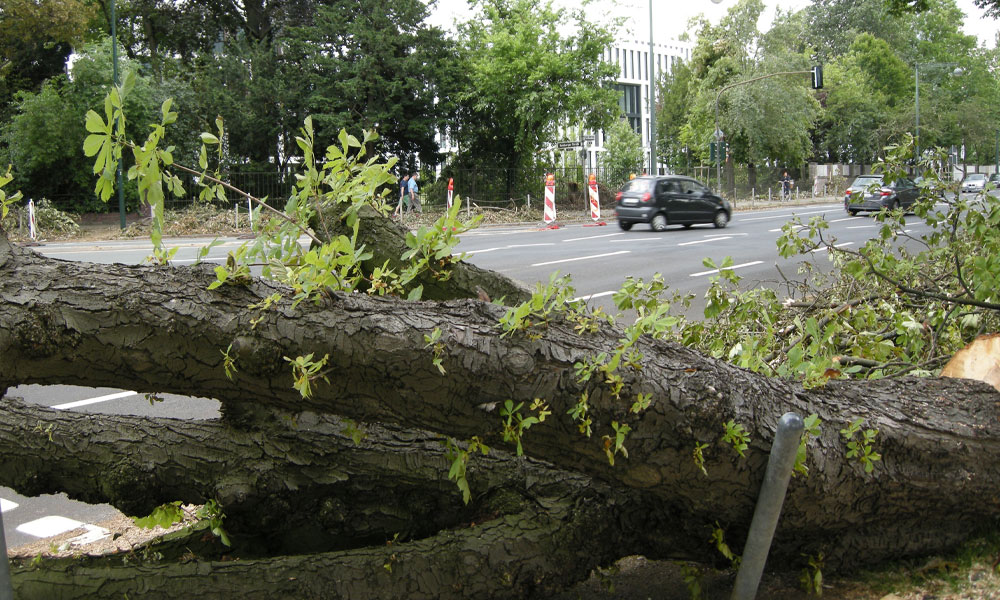
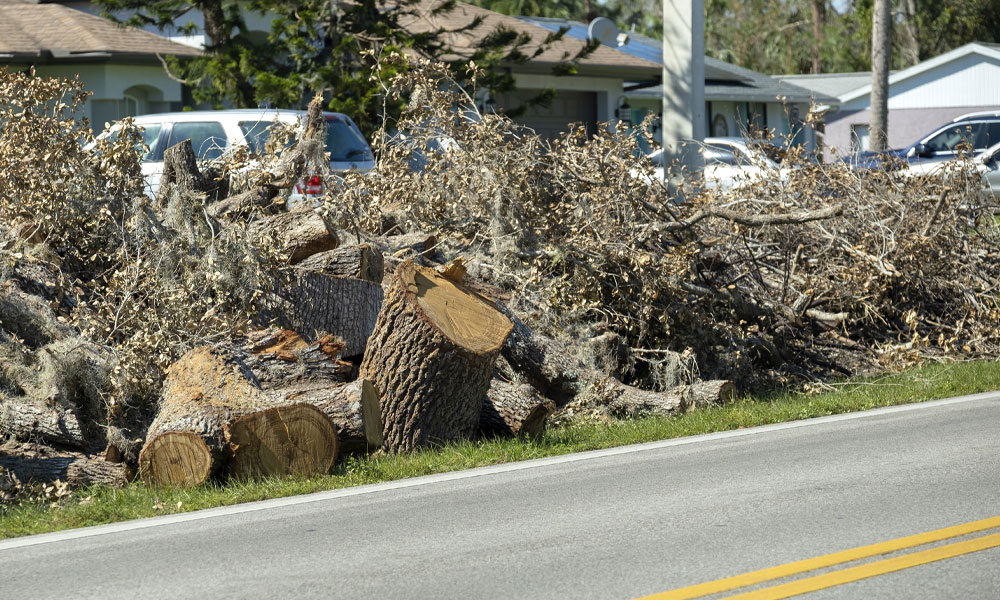
You’ll most often need emergency work after storm damage, when hazardous trees show advanced decay or dangerous leans, and when large dead limbs threaten people, vehicles, or utilities; professionals typically triage by immediate risk to structures, roadways, and power lines to prevent injury and extended outages.
During high winds over 60 km/h or after heavy snow you may find branches snapped, crowns shredded, or root plates lifted. For example, a single severe gust can split a trunk along 50% of its circumference; prioritise removal of limbs larger than 10 cm diameter that lean toward homes or block escape routes.
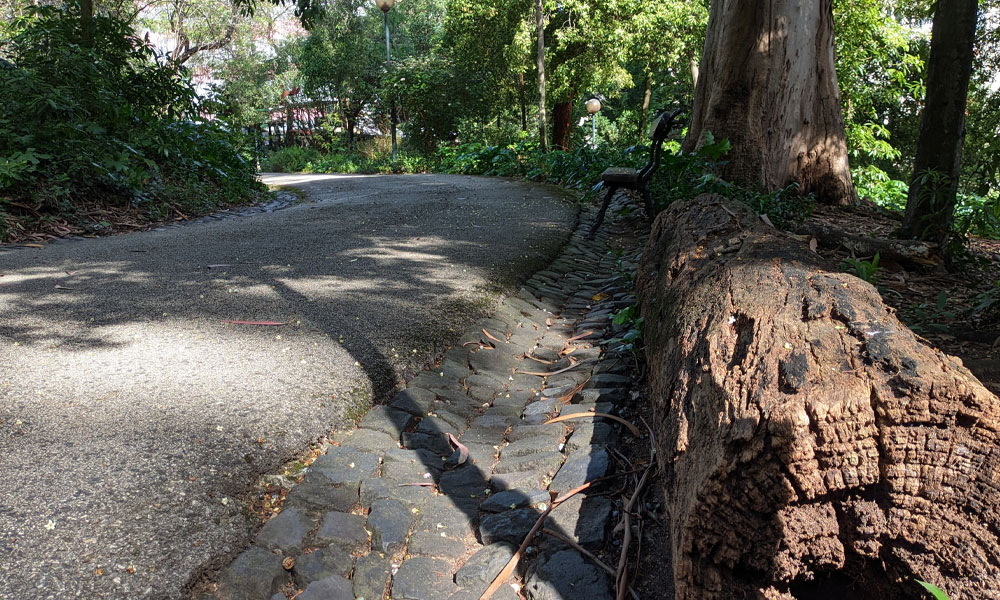
f you notice fungal conks, cavities, long bark cracks, or a lean greater than 15°, the tree may be unstable. Field inspections often flag trunk decay occupying 30-40% of the cross-section, root plate heave after waterlogging, or deadwood larger than 5-10 cm; these require urgent arborist assessment.
In practice, if decay affects more than one-third of the trunk diameter or you see multiple codominant stems with included bark, failure probability rises sharply; one municipal case saw a 120-year-old oak with 40% butt rot fall during a gusty night. You should cordon off the danger zone to a distance equal to the tree’s height and call emergency tree surgery if people or buildings are within that radius.
Crews prioritise immediate hazards, then stabilise and remove unsafe components to protect your property. After your emergency call they typically attend within 24-48 hours, triaging threats, cordoning off danger zones, and choosing between temporary measures (bracing, cable restraints) and full removal. You’ll receive a clear plan and estimate outlining assessment, stabilization, sectional dismantling or crane lift, and debris clearance, often completed in a single day for standard suburban jobs.
During assessment an arborist inspects the trunk, root plate, canopy and nearby targets for split trunks, fungal fruiting bodies, cavities and root heave, and may climb for a hands-on view. They often use tools like a resistograph or sonic tomography to measure decay extent, then assign a risk rating-low, moderate, high or extreme-which guides whether you need immediate removal or short-term stabilization.
Common techniques include sectional dismantling with rope-and-lowering devices, crane-assisted lifts for trees over 15-20 m or confined sites, cabling and bracing to redistribute loads, and stump grinding or root excavation when root failure is evident. You’ll see rated rigging hardware, exclusion zones set to the canopy radius, and coordination with utilities or traffic control when work affects public areas.
For example, when a 30 m oak leaned toward a house after a storm, crews used a crane to lift major sections while climbers removed smaller limbs with dynamic cabling (12-16 mm) installed to reduce crown sway. You might be quoted 4-8 hours for such an operation; teams apply safety factors (commonly 8:1-10:1) to rigging to minimise equipment failure during complex removals.
Prioritise arborists who publish a clear emergency protocol: 24-hour contact, typical 4-24 hour response for hazardous calls, written estimates within 24 hours, and permit handling for street trees. You should expect an on-site risk assessment listing limb sizes (e.g., >10 cm/4 in) and a step-by-step removal plan. During storm season, triage systems and surge fees are common, so compare response time and scope before agreeing.
You want an ISA-certified arborist or state-licensed tree surgeon with 5-10+ years’ emergency experience, training in aerial rescue and rigging, and proof of continuing education. Request insurance certificates showing £1,000,000 general liability and workers’ comp. For example, a 12-year pro removed a 30-inch oak using sectional rigging to avoid property damage – that level of documented experience is what you should review.
Ask if they are ISA-certified, insured with policy limits, and whether crews are employees or subcontractors; request estimated response time, removal method (sectional vs full drop), equipment to be used, and cleanup policy. You should also request three local references for emergency jobs and a written contract with scope, price, and disposal plan before any work begins.
Press for specifics: get insurer name and policy number, a firm timeline (e.g., arrive within 4-24 hours), and written confirmation on who conducts the work. Verify permit responsibility, crane or lift needs, stump removal options, and guaranteed clean-up and damage liability. Compare at least two bids and review before-and-after photos from similar emergency removals to confirm capability.
You should adopt a schedule of seasonally timed care: inspect trees at least twice a year (spring and autumn) and again within 48 hours after major storms, mulch 2-4 inches deep while keeping mulch 6 inches from the trunk, water during dry spells at roughly 10 gallons per inch of trunk diameter per week, avoid removing more than 25% of live crown in a single year, and have a certified arborist evaluate high‑value or high‑risk trees every 3-5 years.
You should scan for fungal conks, trunk cavities, significant deadwood, root heave, girdling roots and crown dieback exceeding 20%. Inspect joints and recent pruning cuts for decay, and check lean or root plate movement after storms. Use simple tools like a pole pruner and binoculars; for suspected internal decay, arrange sonic tomography or a resistograph test through an arborist to quantify internal cavities before deciding on emergency work.
You should apply targeted pruning, mulching, watering and targeted fertilization to maintain structural integrity. Prune to remove weak crotches and crossing limbs, mulch 2-4 inches deep leaving a 6‑inch trunk gap, water about 10 gallons per inch of trunk diameter per week during dry periods, and stake young trees only for 1-2 years. Follow ANSI A300/ISA standards for pruning and structural support to reduce failure risk.
You can ballpark costs by combining component prices: typical crew rates run £150-£350 per hour, stump grinding £75-£400, and permits £50-£500; emergency weekend or night work may add 25-100% to initial quotes.
Ask for itemised estimates, proof of insurance and a cleanup plan; for example, removing a 50‑ft maple with limited access often totals £1,200-£2,500, and adding stump removal raises that by about £200-£600, so documented quotes prevent unwelcome surprises.
Drawing together, you should seek emergency tree surgery when a tree poses immediate danger to people, your property, or utilities – for example if it has large limb failure, a split trunk, roots lifting pavement, or is leaning after a storm, or if a tree has fallen and obstructs roads or access. You should contact a qualified arborist or emergency service promptly; do not attempt high-risk removals yourself.