Many property owners don’t realise that tree surgery is the professional care of trees – including pruning, pest and disease management, structural assessment, cabling, and safe removal – performed to preserve your trees’ long-term health, stability and value. When you engage trained arborists, they diagnose problems early, mitigate hazards, and apply techniques that encourage proper growth while protecting surrounding plants and structures. Understanding when and why your trees need these interventions helps you make informed decisions about maintenance, safety and landscape investment.
Tree surgery covers all hands-on interventions to manage tree health and risk: pruning, removals, planting advice, cabling/bracing, root care, pest and disease treatment, and fertilization. When you commission work, professionals follow industry standards (ISA guidance and ANSI A300 specifications) and use methods targeted to species, age and site – for example selective crown reduction on a 20-30 m maple to reduce wind load without compromising canopy health.
Its origins lie in 19th-century urban landscaping as cities expanded and demand for street trees rose; by 1924 the International Society of Arboriculture formed to share techniques. After World War II you saw rapid change: chainsaws and mechanised lifts became common, enabling faster, safer work and larger-scale urban forestry projects.
Mechanization in the 1950s-70s transformed productivity, but major events shaped practice too: the 1987 Great Storm in the UK generated emergency arboricultural responses and accelerated standards for risk assessment. Since the 1990s you’ve seen wider adoption of structured inspection protocols, formal certification programs and GIS-based tree inventories used by municipalities to prioritise maintenance.
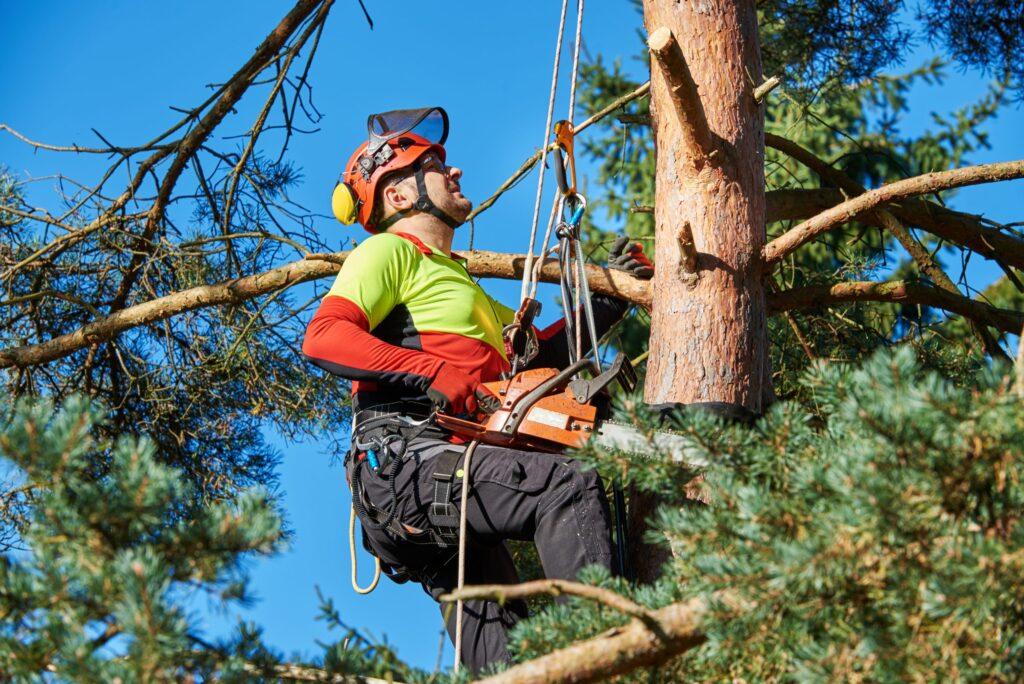
Arborists and tree surgeons evaluate structural defects, diagnose pests/diseases, plan interventions and execute operations with ropes, harnesses, chainsaws and lifts. When you hire one, expect a written risk assessment, method statement and protections for your property; many practitioners hold certifications such as ISA Certified Arborist, which typically requires about three years’ practical experience plus a comprehensive exam.
For example, when a 30 m ash shows 40% crown dieback from ash dieback, an arborist will combine Visual Tree Assessment, decay detection and soil tests to decide between targeted pruning, bracing or removal. You’ll also rely on them for storm-response work, utility-line clearance and long-term management plans that balance safety, biodiversity and asset value.
You should have your trees inspected every 1-2 years and after major storms; assessments use visual checks plus tools like resistographs or sonic tomography to detect internal decay. Look for fungal fruiting bodies, crown dieback, leaf chlorosis and reduced shoot growth-early detection of cavities or root rot lets you target pruning, soil remediation, or root collar excavation before structural failure or widespread decline.
You reduce disease spread by combining sanitation pruning, timely removal of infected material, and cultural care: correct mulching (2-4 inches), avoiding trunk contact with mulch, balanced fertilization based on soil tests, and proper irrigation to limit stress. Targeted fungicide injections or biologicals can protect high‑value specimens when used per diagnostics and label instructions.
For more effective prevention, implement an integrated program: map vulnerable species, monitor annually, and act within weeks of symptoms. For example, municipal elm programs pair inspection with propiconazole injections for select trees and removal of heavily infected hosts to limit pathogen reservoirs. Prune during dormant periods for many diseases, avoid large cuts in wet seasons, and keep wound sizes under 25-30% of the live crown to promote compartmentalization and reduce opportunistic infections.
You manage risk by removing deadwood, correcting structural defects, and using reduction pruning or bracing where appropriate; generally avoid removing more than 25-30% of live crown at once. Maintain safe clearances from structures and utilities-industry practice often targets at least 3 m clearance from overhead lines-and prioritise work on trees with high target exposure like play areas, parking lots, and roofs.
You gain tangible returns from well-maintained trees: structured pruning improves form and longevity, trees can increase property values by roughly 5-15%, mature specimens sequester around 22 kg CO2/year, and properly placed shade trees may cut summer cooling costs by up to 30%. These benefits compound when maintenance preserves canopy health and structure.
Beyond numbers, selective pruning enhances biodiversity by opening light to understory plants and creating cavities for wildlife; choosing native species multiplies ecological value. In urban design, positioning deciduous shade trees on west/southwest faces maximises summer cooling while allowing winter sun-pair that with stormwater plans so canopy interception and root uptake reduce runoff and erosion, improving site resilience over decades.
Dead or dying limbs create immediate hazards for people and property, so you should have them removed promptly; deadwood can account for a large share of branch failures in storms. Prune out branches showing brittle wood, fungal fruiting bodies, or more than roughly 50% dieback to reduce collapse risk and curb decay spread. Proper cuts at the branch collar preserve tree health and speed compartmentalization.
In practice, you should prioritise removing crossing, inward-growing, and duplicated scaffold branches to open the canopy while maintaining natural form. Municipal programs and landscape managers commonly use selective thinning on mature maples and oaks to decrease storm damage-studies show thinning reduces branch failure rates and improves leaf retention over subsequent seasons.
You must act quickly when insects or pathogens appear, because infestations like emerald ash borer (detected in North America since 2002) have killed tens of millions of trees. Signs such as exit holes, bark beetle pitch tubes, epicormic shoots, or rapid canopy decline warrant surgery combined with treatment: removal of infested limbs, sanitary pruning, and targeted insecticide or biological controls.
Effective management often mixes cultural, chemical, and mechanical tactics: you can use systemic insecticide injections for high-value trees, remove severely infested material to limit spread, and monitor trap catches or sticky bands. For example, early detection of bark beetle activity plus timely pruning can prevent whole-tree loss and reduce neighborhood infestations.
Structural defects-codominant stems, included bark, narrow crotches, or major trunk cracks-raise failure risk and often need corrective surgery to extend a tree’s life. You should assess whether selective reduction, selective removal of one stem, or installation of cabling and bracing will best redistribute weight and stabilise the tree.
Assessment protocols typically examine stem diameter ratios, included bark presence, and decay extent; you can then choose staged reductions (removing up to 25-30% of a problematic limb over seasons) or hardware installation to mitigate movement. Arboricultural reports and load-testing help you decide between preservation and removal for public-safety cases.
You’ll use thinning, reduction and heading cuts depending on the goal: thinning removes entire branches to improve airflow, reduction shortens branch length to reduce leverage, and heading stimulates dense regrowth. For branches over 5 cm (2 in), use the three-cut method-undercut 10-30 cm from the trunk, make the top cut farther out, then finish at the branch collar-to avoid tearing; avoid removing more than 25-30% of live crown in a single season.
You apply cabling and bracing to multi-stemmed or structurally weak trees to redistribute loads and prevent failure. Install flexible steel or dynamic cable systems only after a structural assessment, and schedule hardware inspections every 2-3 years to check tension, corrosion and anchor integrity.
In practice, a certified arborist will place cables at branch unions or stems, anchoring into sound wood and using thimbles, turnbuckles or viscoelastic fittings to allow controlled movement. Systems are specified to match expected loads and tree size, and should be part of a maintenance plan with periodic retensioning and replacement as needed.
You treat girdling-roots or ties that encircle and strangle cambium-by exposing the root collar, removing girdling roots, and restoring root flare so water and nutrients can flow. Severe girdling that encircles more than half the trunk often leads to decline, so early detection is important for recovery.
Common techniques include air-spade root collar excavation to avoid root damage, selective removal or root pruning of constricting roots, and soil amelioration to encourage new feeder roots; monitor recovery over 1-3 years and consider structural support or bridge grafting only as a last resort handled by specialists.
You perform crown reduction to lower overall height and limit mechanical stress, typically reducing canopy extent by 10-30% while ensuring cuts leave a strong lateral. Thinning removes selective branches to improve light penetration and wind passage; both techniques should preserve branch structure and avoid flush cuts.
Technically, reduction cuts should be made back to a lateral at least one-third the diameter of the cut leader to maintain vigor, and you should stagger reductions on large trees over multiple seasons (often every 3-5 years) to prevent shock and promote balanced regrowth.
If you notice large dead branches, fungal conks on the trunk, or split limbs, those are clear signals surgery is needed. Significant crown dieback-more than about 25%-or a trunk crack, root heave inside the dripline, and tilting over 15° all indicate structural failure or internal decay. You should also act when recurring pest infestations or utility conflicts threaten safety or property.
For many temperate species, late winter to early spring (January-March) is optimal because trees are dormant and wounds heal more slowly, reducing pest attraction; oaks, however, are often pruned in winter in regions with oak wilt risk to avoid spring/summer infection. Emergency removals proceed year-round, but elective heavy cuts are best scheduled in dormancy.
Species-specific timing matters: prune spring-flowering trees right after bloom to preserve next season’s flowers, avoid major cuts on maples and birches during heavy sap flow in early spring, and perform conifer work in late winter. Local climate, pest life cycles (for example, emerald ash borer activity in summer), and municipal regulations can shift the ideal window, so align timing with species and regional guidelines.
If the tree or branch is over about 10-15 feet tall, the trunk exceeds 12 inches diameter, or the work is near power lines, structures, or requires rigging, hire a professional. You should also call an expert for storm-damaged trees, suspected internal decay, or when safe access and proper equipment are lacking.
Certified arborists provide detailed risk assessments, decay probes, and tree preservation plans; they use rope-and-harness systems, cranes, or rigging to control large removals safely. Expect pruning costs roughly $200-$800 and removals $500-$2,500 depending on size and complexity. Obtain at least two written quotes, check ISA certification and liability insurance, and ask for a site-specific method statement before work begins.
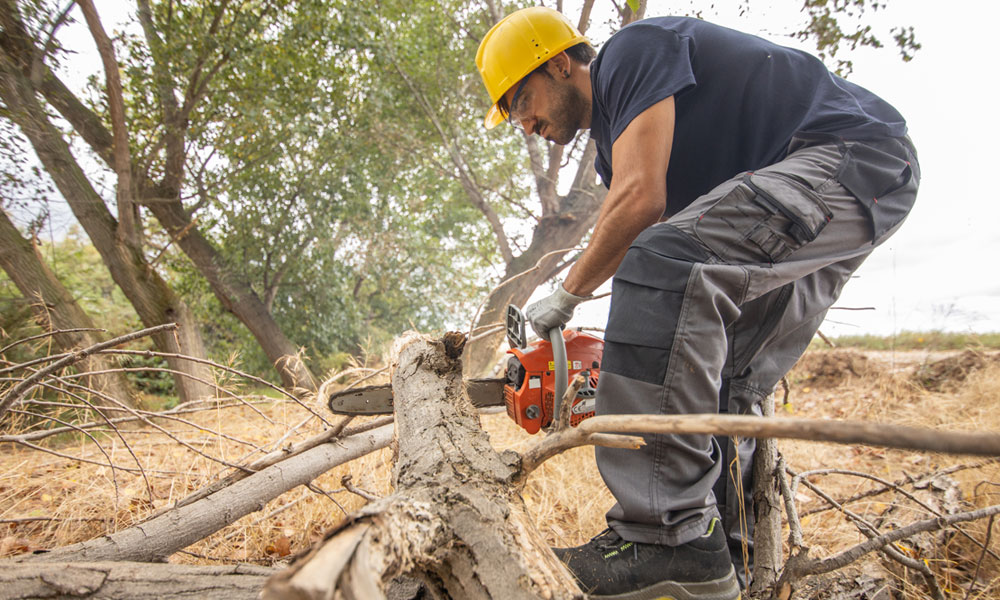
You wear helmets with face visors (EN 397), hearing protection (EN 352), cut-resistant trousers (EN 381), gloves, eye protection, and full-body harnesses with certified anchorage. These reduce incident rates during chainsaw work and aerial access.
Beyond PPE, your rope systems, karabiners and fall-arrest devices must be inspected and labelled; harnesses and connectors are typically rated to 15 kN or higher and should be retired after manufacturer-specified service life or a fall. You implement a rescue plan for every climb, log loads and anchor points to a safe working load, and log inspections in your site file to meet industry audit standards.