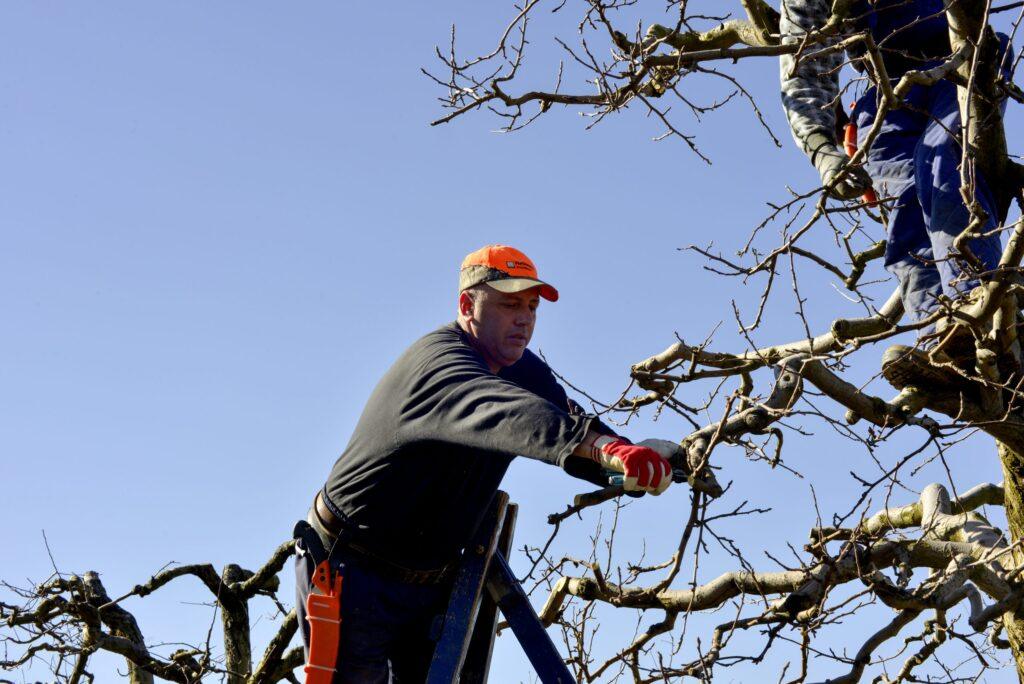
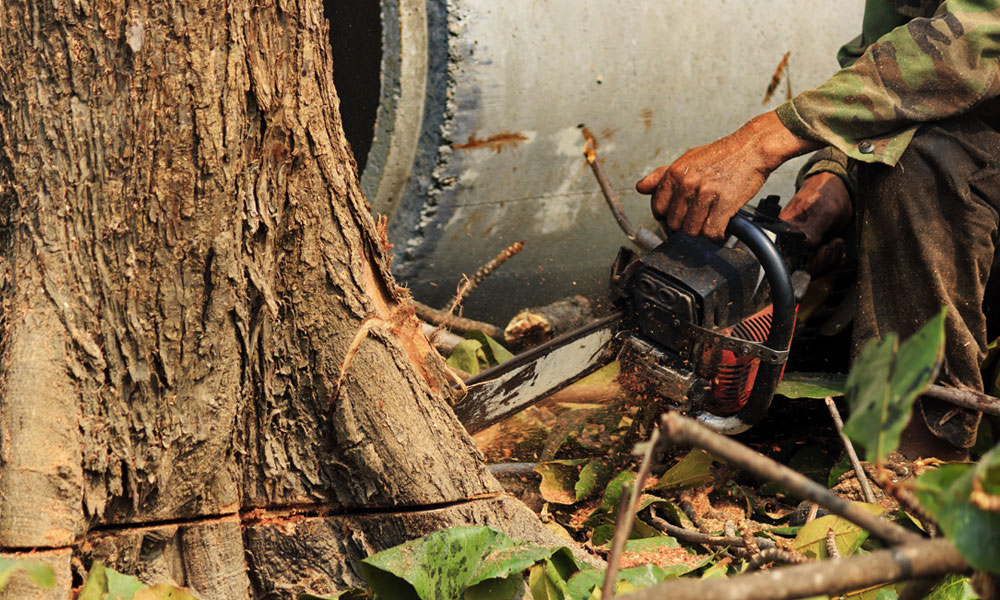
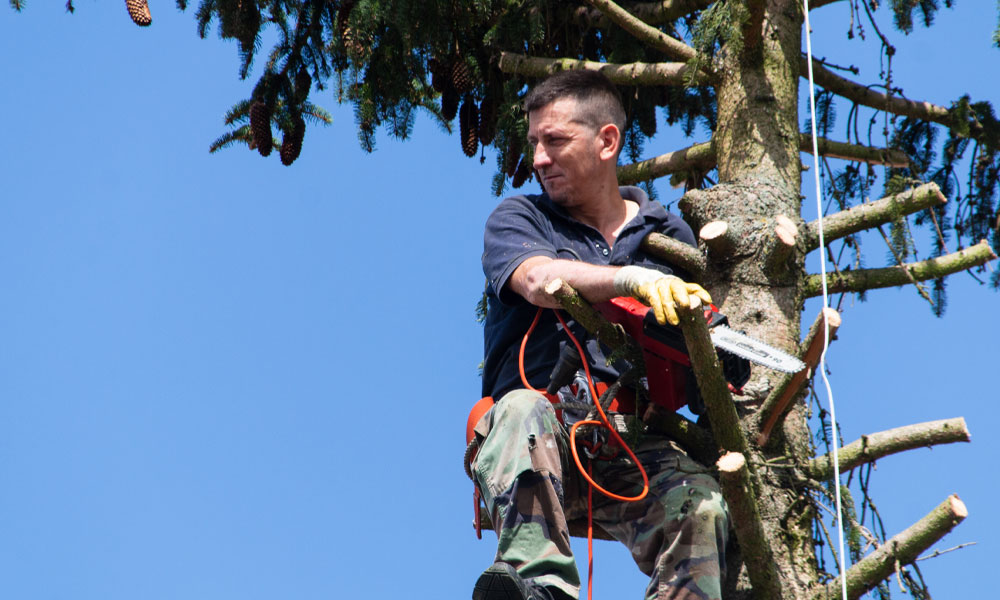
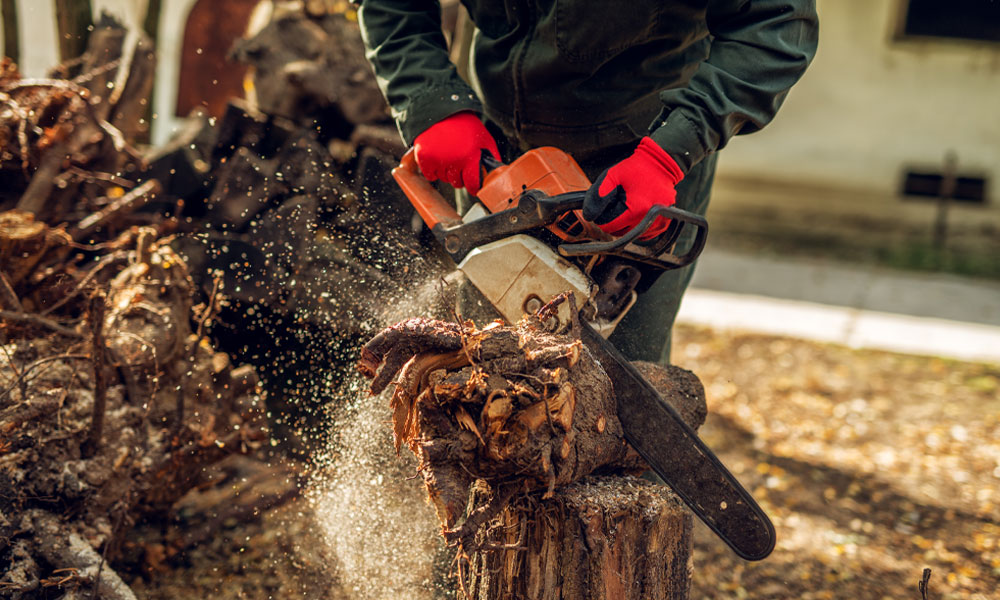
Tree surgery is the hands-on maintenance and corrective work performed by certified arborists – pruning, removals, cabling, root care, pest control and soil management – following ANSI A300 and ISA best-practice standards. You rely on these interventions to manage structure, extend longevity and mitigate risk; common procedures include structural pruning for young trees, crown reduction for clearance, and decay management such as targeted branch removal and cavity treatment.
Arboriculture delivers measurable benefits: properly managed trees can increase property values by 3-15% and help cities meet canopy targets often around 30%. If you maintain trees, routine programs – pruning cycles of roughly 3-7 years and periodic risk assessments using TRAQ – reduce failure rates, lower emergency removals and preserve ecosystem services like shade and stormwater interception.
In practice, services vary by scale: for example, crown reductions of 20-30% are common on mature trees to reduce sail area, stump grinders remove stumps 150-200mm below ground to allow replanting, and a BS5837 report for a small 3‑lot housing scheme typically lists tree constraints, root protection areas and protection aMaintenance also pays operational dividends. For example, following A300 pruning specifications cuts unnecessary canopy loss, reduces post-storm cleanup, and lowers liability exposure; many municipal programs report fewer hazardous removals after instituting structured inspection and pruning schedules, and targeted rooting work improves transplant survival and reduces long-term replacement costs.fencing specifications. You should ask for examples of similar projects, equipment lists (crane/MEWP availability) and sample reports before commissioning work.
One widespread myth is that more pruning always equals better health; excessive cuts or topping often spur weak regrowth and increased decay, making your trees more hazardous over time. You should expect selective, objectives-driven pruning rather than blanket reductions, and demand that contractors follow species-specific techniques to avoid creating long-term defects.
Another mistake is treating pests and soil issues with one-off sprays or injections. Integrated Pest Management – combining monitoring, cultural fixes, targeted treatments and beneficial microbes – typically yields superior control and fewer repeat interventions. If a contractor promises a quick fix for every problem, your trees will likely need more work later and cost you more in the long run.
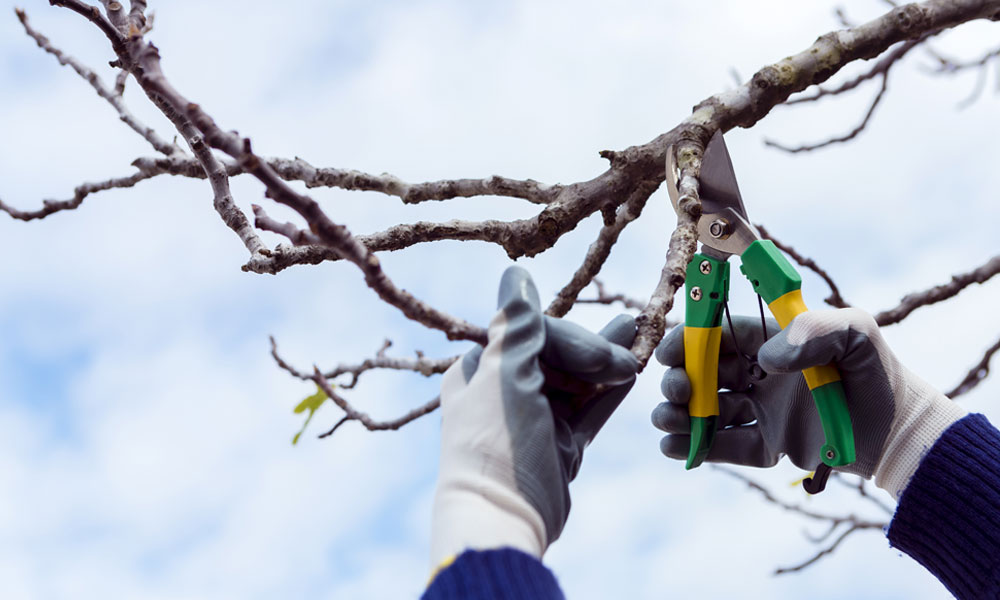
You should prune with intent: remove deadwood, lift canopy, or redirect growth using crown cleaning, raising, and thinning. Target no more than about 25% of the live crown in a single season, cut back to a live lateral at least one-third the diameter of the removed branch, and make clean cuts at the branch collar to promote wound closure. For street trees, spacing of scaffold branches and maintaining a clear 2-4 m clearance over walkways matters for safety and longevity.
You install cables and braces to support weak unions, codominant stems, or heavy limbs that pose a failure risk. Typical systems use 3/8″-5/8″ stainless steel cable or high-strength synthetic lines with properly rated hardware; anchors are placed into sound wood or bolted through collars per ANSI A300/ISA guidance to transfer loads safely.
When you assess a tree, look for V-shaped crotches, included bark, or decay pockets; in a case of a 50-year-old oak with two codominant leaders, a dual-cable system anchored 6-8 m up and tied with a dynamic synthetic line reduced limb movement during storms. You should size hardware to the tree’s load (consult load tables) and plan inspections every 1-3 years, replacing fittings if corrosion or abrasion appears.
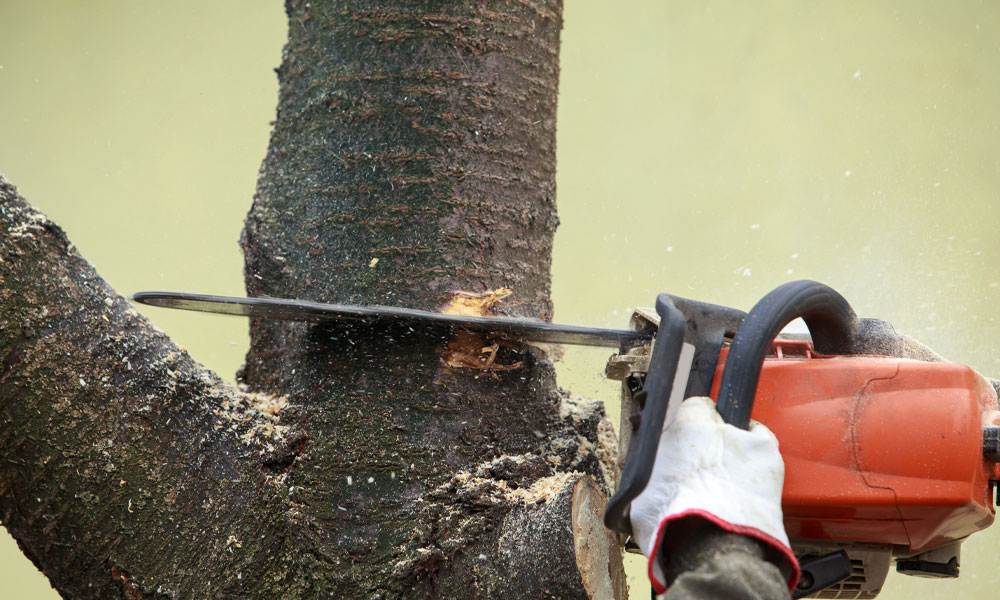
You use crown reduction to decrease sail area and reduce mechanical stress by shortening branch lengths rather than indiscriminately thinning out interiors. Aim to reduce spread or height by roughly 15-30% in one application, always cutting back to a suitable lateral at least one-third the diameter, and stagger reductions over seasons for large trees to avoid large wounds and excessive stress.
For more precise results, you should map structural targets beforehand: reduce long leaders that create leverage, balance asymmetric weight, and preserve live branch distribution. In an urban example, reducing a 14 m silver maple by 20% on windward limbs lowered sway and decreased trunk strain; follow-up pruning over 2-3 years helped compartmentalise wounds and maintain vitality while preventing the common damage seen after topping.
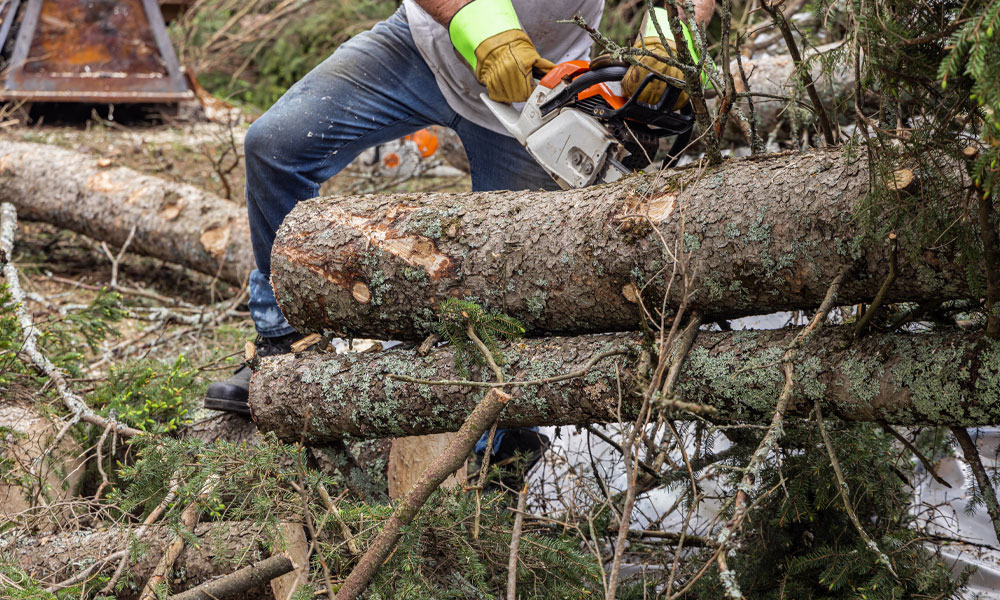
When a tree is unsafe or conflicts with structures, you often choose sectional removal to control risk. For trees over 40 ft (12 m) you typically use crane-assisted lifts or rope-and-pulley techniques, cutting 2-6 sections; stump removal follows with a grinder (12-36 in wheel) or chemical/root-rot methods. Always obtain utility locates (call 811 in the U.S.) and municipal permits before work.
When planting or transplanting, you set the root flare at or slightly above finish grade, backfill with native soil amended sparingly, and provide deep, infrequent watering – roughly 10-20 gallons per week for young trees – while staking only as needed for 6-12 months to allow proper root anchorage.
For larger moves, you size the root ball to nursery standards (ball diameter commonly 8-12× trunk caliper in inches for B&B stock) and use mechanical tree spades or cranes for specimens with calipers above 4-6 in. You should root-prune 12-24 months before major transplants to encourage fibrous root development and schedule moves during dormancy (late fall or early spring) to improve survival rates.
Air spading uses compressed air (commonly 80-100 psi) to remove soil without cutting roots, so you can expose the root collar, find girdling roots, and trace root architecture around utilities. It typically causes far less incidental root damage than mechanical excavation and speeds diagnosis of compaction, decay, or construction conflicts.
You can pair air spading with targeted root pruning, installation of root barriers, and replacement with engineered backfill to correct compaction and restore oxygen flow; operators often follow with mycorrhizal inoculation and mulching to aid recovery. In urban projects, air spading frequently lets crews save mature street trees by revealing repairable root defects that would otherwise mandate removal.
You inspect symptomatic branches and bark, looking for frass, galleries, cankers, wilt, or fungal fruiting bodies; common culprits include emerald ash borer, gypsy moth, aphids, Armillaria root rot and Dutch elm disease. You’ll use sticky traps, branch samples and cambium scrapes, then send suspect material for lab PCR or culture when visual signs are ambiguous. Seasonal timing matters: early spring and late summer surveys catch different life stages and improve detection accuracy.
You take 3-6 soil cores around the drip line to 10-15 cm depth for texture, pH, nutrients (N, P, K), organic matter and soluble salts; bulk density over ~1.4 g/cm³ indicates compaction that limits roots. Lab results guide targeted remediation like aeration, lime or sulfur adjustments, and tailored fertilization instead of blanket treatments that can worsen imbalances.
Interpreting results, you focus on pH thresholds (many trees prefer 5.5-7.0), high soluble salts (>4 dS/m risks ion toxicity), and low oxygen from waterlogging. You’ll consider structural remediation: air‑spade decompaction, deep-root fertilization, mycorrhizal inoculation and incorporation of 5-10% organic matter or structural soil. For chronic compaction, plan repeated interventions every 2-4 years and monitor root regrowth with follow-up coring.
You evaluate site stressors such as prolonged drought (soil moisture drops >30% reduce fine roots), urban heat islands raising canopy temperatures by up to 5-7°C, deicing salt damage, root zone compaction from construction and altered drainage. Use microclimate mapping and soil moisture sensors to quantify exposure rather than relying on visual guesswork.
You then prioritise mitigations based on measured risk: install 5-10 cm mulch rings, protect root zones during construction with fencing, and set up targeted irrigation cycles for recovery. For long-term planning, you use species-site matching and green infrastructure to reduce heat and runoff impacts; monitor metrics like crown density and leaf water potential to track recovery.
You use drones to inspect crowns, decay pockets and storm damage faster than ground crews: typical inspection drones carry 20-45 MP cameras with 20-40 minute flight times, letting you capture high-resolution imagery and thermography across entire city blocks in a single sortie.
When you integrate photogrammetry and LiDAR payloads you get orthomosaics and 3D point clouds with centimeter-level detail if flown with 70-80% overlap at 50-100 m altitude; that data lets you measure crown volume, detect canopy dieback via NDVI indices, and pre-plan rigging by visualizing potential failure points before anyone climbs.
You rely on inventory and GIS platforms-like i-Tree for ecosystem service estimates and TreePlotter or ArborNote for field data-to track thousands of specimens, assign work orders, schedule pruning cycles, and quantify benefits such as annual carbon sequestration per tree.
By using mobile data collection, barcode or QR tagging, and cloud-synced maps you eliminate duplicate surveys, prioritise interventions based on risk scores, and generate invoices straight from work orders; municipalities and large contractors commonly report 10-30% efficiency gains after adopting integrated tree-management software.
You should prioritise native species and structural diversity because a single mature native tree can host hundreds of insect and fungus species, which in turn support birds and small mammals; maintaining varied age classes and deadwood increases habitat niches and keeps urban ecosystems resilient.
When you build biodiversity into your management plan, specify actions: retain standing and fallen deadwood where public safety allows, leave low scaffold branches 2-3 m high to provide nesting platforms, and stagger pruning across years to ensure continuous food resources. Target a mix of native canopy, understory and scrub – for example, pairing oaks and willows with hawthorn and hasel creates sequential flowering and fruiting, supporting pollinators and seed-eating birds. Also schedule major cuts outside the main nesting window (generally late summer to early winter) to minimise breeding disturbance.
You can reduce vandalism and maintenance costs by running volunteer pruning workshops, tree walks and school programmes that teach basic assessment and safe pruning techniques; short sessions for 20-30 participants build local stewardship and increase reporting of pests and damage.
Design your engagement as a staged programme: start with an accredited safety briefing and a demonstration of formative pruning on young trees, then move volunteers into supervised practical tasks (mulching, tying, minor tidy pruning). Track metrics such as number of trained volunteers, trees treated, and one- and three-year survival rates (aim for 80%+ survival after three years). Partner with local councils for liability coverage and use citisen-science apps to collect tree health data, turning outreach into a measurable maintenance resource.
Hence you can see how seven core tree-surgery techniques-pruning, crown reduction, crown lifting, cabling and bracing, deadwood removal, root pruning, and stump management-preserve tree health, manage risk, and support structure. By applying each method judiciously, you maintain safety, enhance longevity, and optimise growth while minimizing stress and disease, so your landscape remains resilient and well-managed.