
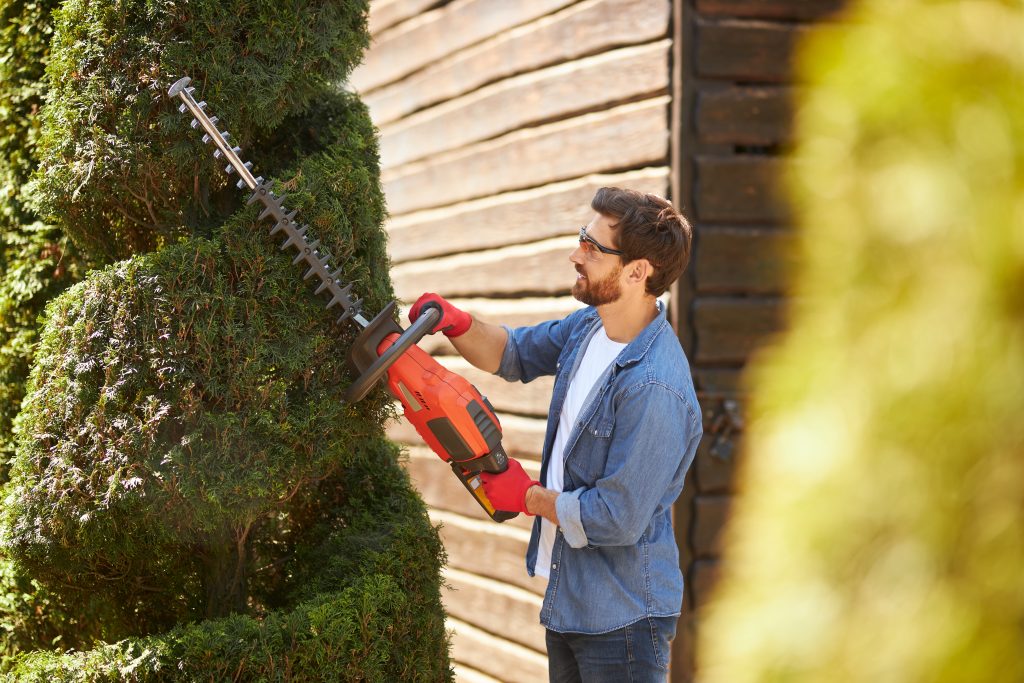
Just maintaining your trees and scheduling professional tree surgery protects your property, enhances safety, and promotes long-term tree health. When you invest in regular inspections, pruning, and corrective work you reduce storm-damage risk, improve light and airflow for healthier growth, and preserve landscape value; trained arborists also diagnose disease, correct structural defects, and remove hazards safely, saving you costly emergency removals and liability concerns while supporting biodiversity and the lifespan of your trees.
Understanding Tree Maintenance
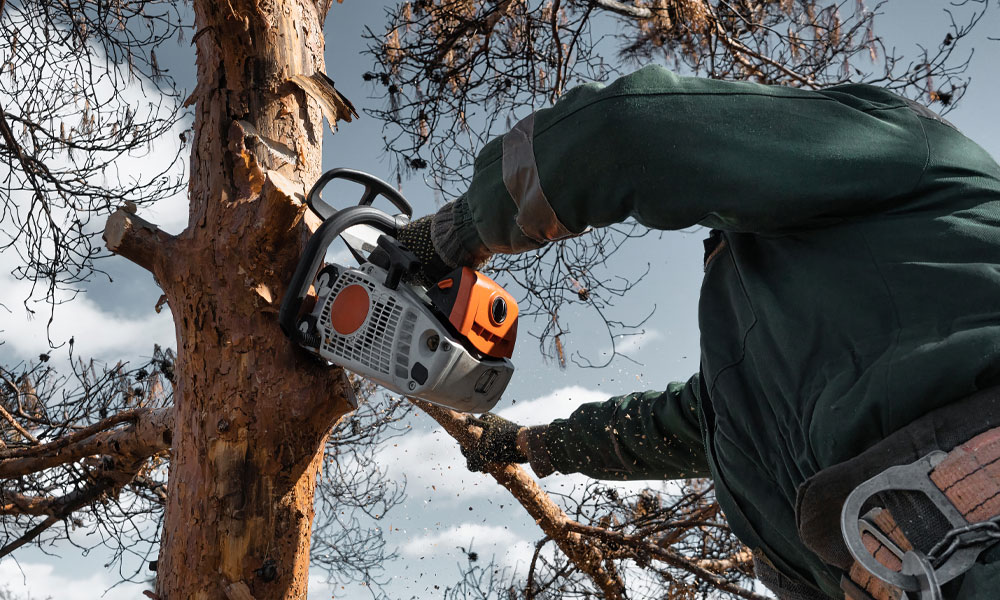
Definition of Tree Maintenance
You perform tree maintenance to preserve health, structure, and safety through targeted actions: inspections, pruning, mulching, fertilization, irrigation, pest monitoring, and root care. You typically inspect annually and prune young trees every 1-3 years to establish form, while mature trees often need structural pruning every 3-5 years; the goal is to manage growth, remove hazards, and support long-term vitality.
Importance of Regular Maintenance
Regular maintenance lowers the likelihood of limb failure, reduces pest and disease spread, and extends usable life-you cut deadwood to prevent storm damage and shape canopies to avoid utility conflicts. Annual inspections after spring and major storms help you spot decay, root issues, or pest infestations early, when interventions are more effective and less costly.
When you follow a proactive schedule-inspections at least once a year, pruning intervals tailored to species and age, and seasonal soil care-you often avoid expensive emergency removals and property damage. For example, structural pruning during the first 10 years can prevent co-dominant stem failures later; addressing root compaction with aeration and mulching (2-4 inches depth, kept 2-3 inches from the trunk) improves water infiltration and root health. If your trees are near utilities or high-traffic areas, engaging an ISA-certified arborist for risk assessments can decrease liability and extend canopy life.
Common Practices in Tree Maintenance
You’ll use a set of standard practices: structural pruning, deadwood removal, crown reduction when necessary, mulching, targeted fertilization based on soil tests, root collar excavation, pest monitoring, cabling/bracing for weak unions, and supplemental watering-especially during droughts. Many professionals recommend 2-4 inches of mulch and pruning cycles of 3-5 years for mature specimens.
In practice, you prune deciduous trees during dormancy to reduce stress and limit pathogen spread, while scheduling species-specific timing for oaks to avoid insect-vectored diseases. Young trees benefit most from formative pruning during their first decade to establish a single strong leader and spacing of permanent branches. For watering, a practical guideline is roughly 10-15 gallons per inch of trunk diameter per week during dry spells, applied slowly to encourage deep roots. When you detect structural weakness-large included bark, cracks, or split limbs-installing cables or braces can stabilise the tree while you plan long-term management or removal.
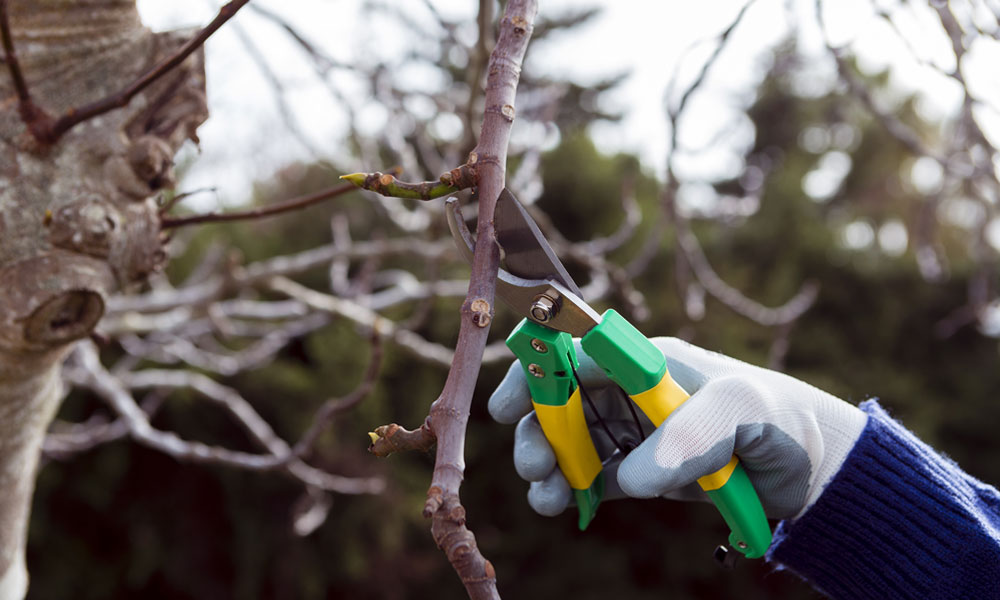
Benefits of Regular Tree Maintenance
Enhanced Tree Health
You benefit when routine pruning, soil testing, and targeted fertilization address nutrient imbalances, compacted roots, and early pest infestations. Young trees respond best to formative pruning during the first 3-5 years, and you should schedule inspections at least twice a year to spot fungal infections like Dutch elm disease or oak wilt early, increasing treatment success and reducing irreversible decline.
Improved Aesthetic Appeal
Proper shaping and seasonal pruning restore structure, improve flowering display, and remove unsightly sucker growth so your landscape looks intentional year-round. Maintaining clear sightlines and balanced canopies enhances curb appeal and complements hardscaping, making plantings look mature and well-managed.
Techniques such as crown thinning, raising, and selective reduction-typically removing 10-25% of interior growth-refine silhouette without stressing the tree; you should time major cuts in late winter for many species, and call an arborist for structural pruning on large specimens to avoid damage.
Increased Property Value
Well-maintained trees can measurably boost your home’s marketability: multiple real-estate studies report value increases commonly in the 5-15% range for properties with healthy, mature trees. Buyers often pay a premium for established shade and privacy, so ongoing maintenance is an investment rather than an expense.
Documenting regular care-inspection reports, pruning records, and health assessments-reinforces buyer confidence and offsets concerns about future costs; by contrast, a poorly maintained tree that requires removal (typical removal costs range from £500-£3,000) can reduce offers and prolong time on market.
Safety and Hazard Prevention
Regular maintenance reduces risk by removing deadwood, correcting weak branch unions, and identifying root failures before they cause damage; you should have trees inspected annually and after major storms to catch hazards early. Proactive pruning lowers the chance of limb failure near structures and walkways.
When inspections reveal structural problems, mitigation options like selective pruning, cabling, bracing, or root care can extend a tree’s safe life and delay removal; scheduling post-storm checks within 48 hours lets you address loosened roots or cracked limbs before they become emergencies.
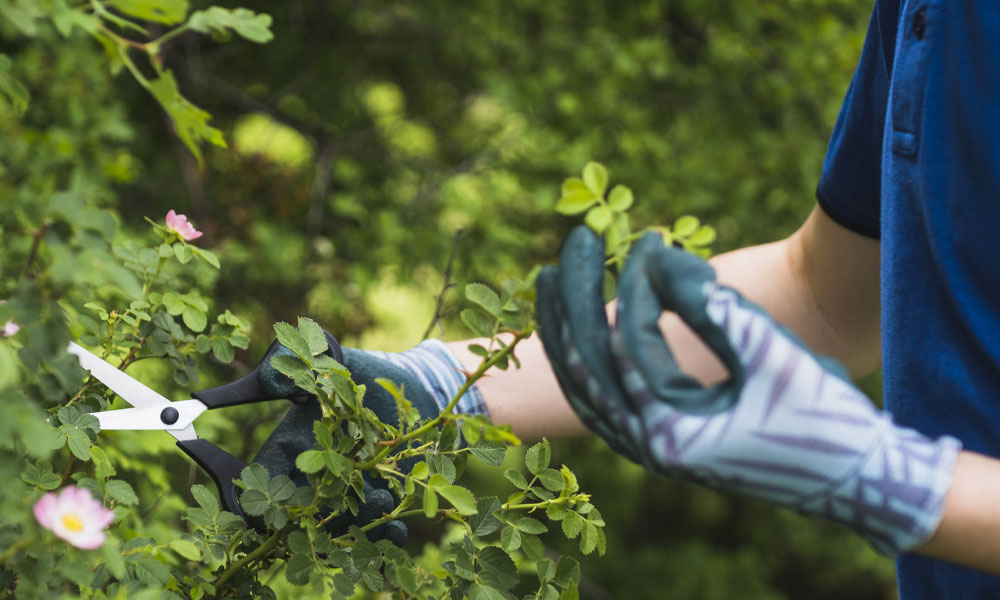
Tree Surgery: An Overview
If you want a deeper practical guide, consult resources on the Benefits of Tree Maintenance to align surgical interventions with long‑term care goals.
Definition of Tree Surgery
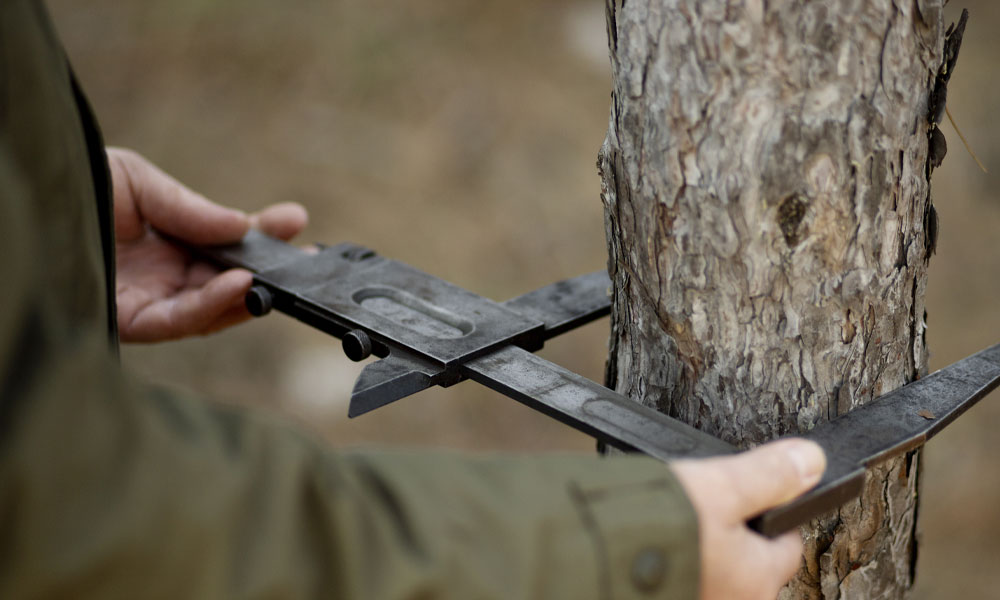
Tree surgery is the professional application of arboricultural techniques you use or commission to manage tree health and safety-pruning, crown reduction, cabling, bracing, stump grinding, and selective removals. Performed by certified arborists, it blends diagnostic assessment with targeted interventions (often reducing canopy by 10-30%) to treat disease, alleviate structural defects, and extend a tree’s lifespan.
When is Tree Surgery Necessary?
You should consider tree surgery when structural failure, advanced decay, pest infestation, or storm damage creates an unacceptable risk to people or property. Key warning signs include large deadwood, fungal conks at the base, a lean developing beyond 15 degrees, or crown loss exceeding about 30% after a storm-situations that commonly trigger urgent intervention.
Assessment typically follows a Visual Tree Assessment (VTA) and may use tools like resistographs or sonic tomography to map decay. Based on target-risk analysis and local ordinances, an arborist will recommend pruning, bracing, root work, or removal; for example, a sugar maple with a hollow trunk and severe lean often receives bracing only as a short‑term measure before removal is scheduled to mitigate liability.
Common Tree Surgery Techniques
You’ll encounter a range of techniques: crown thinning, crown reduction, deadwooding, cabling and bracing, root collar excavation, stump grinding, and targeted injections or soil treatments. Each technique addresses specific problems-thinning to reduce wind loading, bracing to support splitting stems, and stump grinding to eliminate trip hazards and replanting obstacles.
Crown reduction commonly removes 10-30% of live foliage to lower the tree’s center of gravity; cabling systems use steel or synthetic anchors to redistribute load across co-dominant stems; and stump grinders typically cut 6-12 inches below grade to remove root collars. You should expect a diagnostic timeline (often 1-3 visits) and a written plan outlining expected life‑extension vs. replacement outcomes.
Benefits of Tree Surgery
Restoration of Tree Health
By removing deadwood, cankers, and diseased limbs you halt tissue decline and improve vascular function, allowing remaining branches to receive more light and nutrients; routine surgical interventions like crown cleaning and selective thinning, typically performed every 3-5 years, often restore vigor and reduce stress-related dieback in species such as maple, oak, and fruit trees.
Prevention of Disease Spread
Targeted removal of infected tissue and sanitary pruning you perform limits inoculum sources and reduces pathogen transmission to adjacent branches or trees, which is especially important for vascular diseases like Dutch elm disease or bacterial canker in cherries.
When you combine surgical removal with proper disposal, disinfecting tools, and timing cuts outside high-spread seasons, you markedly lower infection pressure; municipal programs that enforce sanitary pruning and chip/remove infected material report far fewer secondary outbreaks, and inspections every 2-4 years help catch early infections before they reach the crown.
Extension of Tree Lifespan
Appropriate surgical care-including root crown excavation, corrective pruning, and targeted fertilization-can slow decline and add many years to a tree’s productive life; for long-lived species such as oaks and lindens, treatments spaced on a 3-7 year maintenance cycle often translate into measurable longevity gains.
By addressing structural defects, improving root health, and mitigating chronic stressors you reduce cumulative damage; arboricultural case studies show that trees treated proactively for root rot or major limb defects frequently avoid premature removal and can persist for an additional decade or more compared with untreated controls, depending on species and site conditions.
Enhanced Structural Stability
Using crown reduction, selective pruning, and hardware (cabling/bracing) you redistribute loads and remove hazardous weight, lowering the likelihood of limb or trunk failure during storms; these techniques follow ANSI A300/ISA best practices and are tailored to species-specific wood strength and branching patterns.
When you pair structural pruning with engineered cabling and routine inspections, weak junctions are reinforced and failure points are monitored; for example, installing dynamic or static cabling in trees with included bark or poor crotch angles can delay structural failure and postpone removal, while documented post-installation inspections track performance under seasonal load cycles.
Choosing the Right Tree Care Professional
Qualifications and Certifications
You should verify ISA Certified Arborist status and, where applicable, a state arborist or pesticide applicator license; check for TRAQ or similar tree risk assessment credentials, adherence to ANSI A300 and Z133 standards, and proof of liability and workers’ compensation insurance (commonly £1M+ limits). Ask to see certificate numbers and recent continuing education-ISA requires 30 CEUs every three years-to confirm ongoing professional development.
Experience and Expertise
Prioritise firms with 5+ years of local experience and documented work on trees similar to yours-large removals, cabling on 24-36″ DBH specimens, or urban root management; you should also ask about crew size, equipment (crane, aerial lift) and typical storm-response time, which reputable teams often meet within 24-48 hours.
Request specific case examples: a 10-year arborist who stabilised a 30″ DBH maple with cabling and selective reduction, supplied a written risk assessment per ANSI A300, and provided before/after photos demonstrates the planning and techniques you want; insist on itemised work plans listing DBH measurements, methods, and permit pulls when required.
Evaluating Customer Reviews
Compare reviews across Google, Yelp, and the BBB, aiming for consistent praise on punctuality, cleanup, and safety; you’ll get stronger evidence from profiles with 10+ recent reviews, many with time-stamped photos, and an average rating of roughly 4.5 or higher rather than relying on a single testimonial.
Follow up by contacting at least three local references to ask about scope, unexpected costs, permit handling, and site restoration; also note how the company responds to negative feedback-professional, timely responses and offers to resolve issues indicate accountability and reliable customer service.
DIY Tree Maintenance vs. Professional Services
Pros and Cons of DIY Maintenance
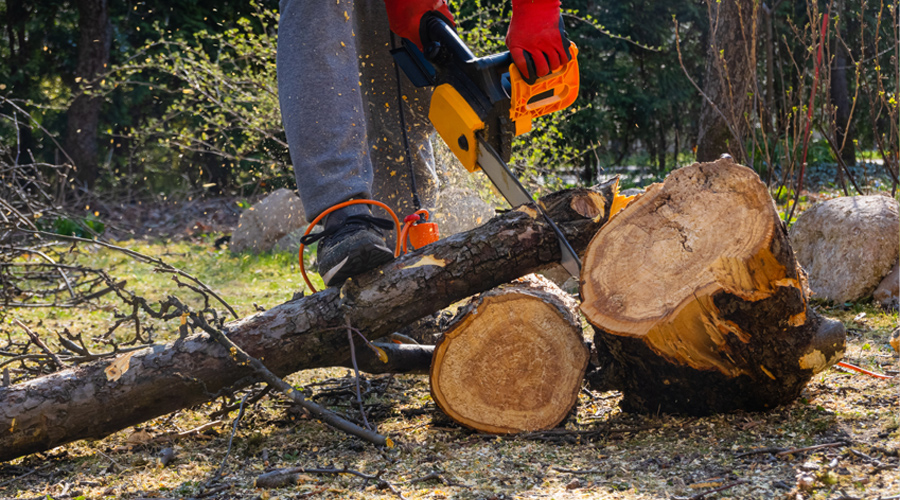
You can save £100-£500 on routine pruning and gain hands-on experience, but improper cuts increase disease risk and fall hazards; the table below summarises tangible pros and cons so you can weigh savings against safety, time, and long-term tree health.
Pros and Cons of DIY Maintenance
| Pros | Cons |
|---|---|
| Lower immediate cost (save £100-£500) | High safety risk – falls cause serious injury |
| Control over timing and method | Improper pruning leads to decay or poor structure |
| Skill development for basic tasks | Requires investment in tools (£150-£500) |
| Immediate attention after minor storm damage | Limited access to heavy equipment for large trees |
| No contractor scheduling delays | Potential liability and lack of insurance cover |
| Can handle small hedges and young trees | Poor wound-cutting increases pest and disease risk |
| Lower disposal costs if you chip branches | Disposal and permit fees can be overlooked (£50-£200) |
When to Consider Professional Help
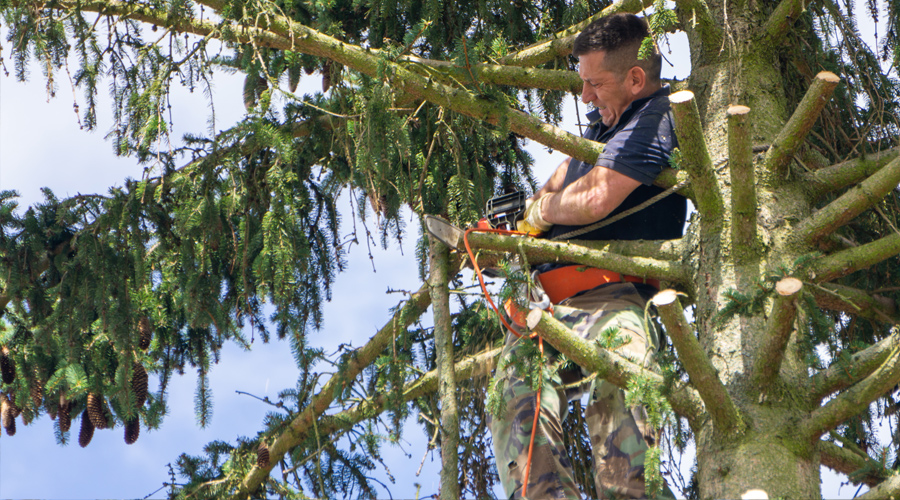
Hire a pro if your tree exceeds ~20 ft, sits near power lines, shows >20% canopy dieback, or has large cavities; emergency removals after storms often require arborists with rigging gear and insurance to work safely and meet local permit rules.
For example, a 40 ft oak with root rot typically needs an ISA-certified arborist: they assess stability, apply decay tests, use cranes or ropes, and complete removals within 24-48 hours when hazardous. You avoid unexpected costs like hospital bills or utility fines by engaging licensed crews.
Cost Analysis of DIY vs. Professional Services
Tool rental runs £50-£200/day, chainsaws cost £150-£500, while professional pruning often starts at £150 and can exceed £1,000; full removals range £300-£2,500+ depending on height and access, so factor equipment, disposal, permits, and your time into any decision.
Consider a break-even example: renting a chipper and saw for a large pruning day (£300) plus 10 hours of your time valued at £25/hr equals £550-if a pro quotes £600 and includes disposal and insurance, hiring may be wiser. Also include liability, potential medical costs, and long-term tree value when comparing.
Summing up
Now you can see how regular tree maintenance and professional tree surgery protect your property, enhance landscape health, reduce hazards, and preserve tree value; by scheduling inspections and targeted interventions you extend tree longevity, improve safety, and save on long-term costs while supporting local ecosystems and maintaining aesthetic appeal.
FAQ
Why is regular tree maintenance important for safety?
Regular inspections and pruning remove dead or weak limbs, reduce the chance of branch failure, and address structural defects before they lead to hazardous collapse. Proper maintenance also improves visibility around driveways, walkways and powerlines, lowering the risk of accidents and property damage.
How does professional tree surgery improve tree health and lifespan?
Tree surgery corrects structural issues, removes diseased or infested wood, and applies appropriate pruning techniques that promote healthy wound closure and balanced canopy growth. Treatments such as targeted fertilization, root care and disease management restore vitality and can extend a tree’s productive life by years or decades.
In what ways does regular care boost property value and curb appeal?
Well-maintained trees create a tidy, attractive landscape that increases marketability and perceived value. Pruned, healthy specimens provide shade, frame architectural features, and reduce clutter from fallen debris, all of which enhance curb appeal and appeal to buyers or tenants.
How does maintenance help control pests and diseases?
Routine inspections detect early signs of infestation or infection, enabling targeted treatment before problems spread. Sanitation practices such as removing diseased material, corrective pruning and soil management interrupt pest life cycles and reduce overall disease pressure in the landscape.
Can tree surgery reduce storm and wind damage risks?
Yes. Structural pruning, crown thinning and selective crown reduction lower wind resistance and reduce leverage on weak branches. Techniques like cabling and bracing can stabilise compromised limbs, while timely removals eliminate trees that pose a high risk of failure during storms.
Are there financial benefits to regular maintenance compared with emergency interventions?
Preventive care is typically far less expensive than emergency removals, repairs to damaged structures, or liability claims after failures. Ongoing maintenance also delays the need for costly replacements and can reduce insurance premiums or claims related to tree-related incidents.
What broader environmental and community advantages come from ongoing tree care?
Healthy trees improve air quality, sequester carbon, support urban biodiversity, and reduce erosion and stormwater runoff. Properly maintained trees also keep sidewalks and roads safe, help comply with municipal regulations, and foster good neighbor relations by reducing nuisance issues like overhanging branches or excessive leaf litter.