
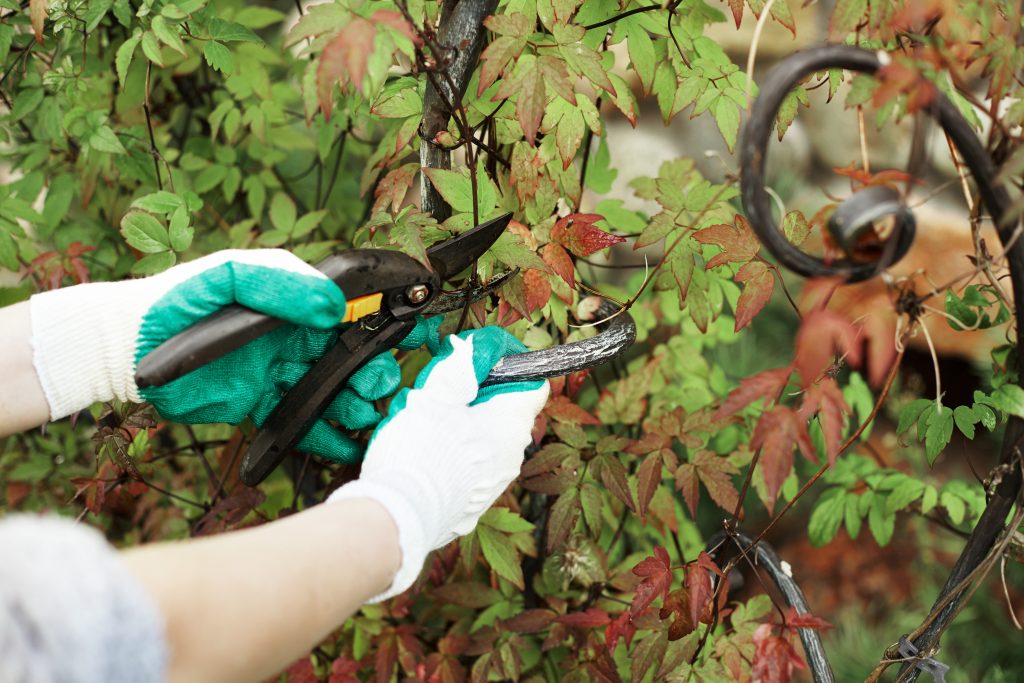
Just follow these practical steps to help you identify a qualified, insured tree surgeon in Croydon who will protect your garden and property: verify certifications and insurance, check references and recent local work, request written quotes, confirm safe climbing and pruning methods, and ensure clear communication on timing and tree health.
Understanding Tree Surgery
What is Tree Surgery?
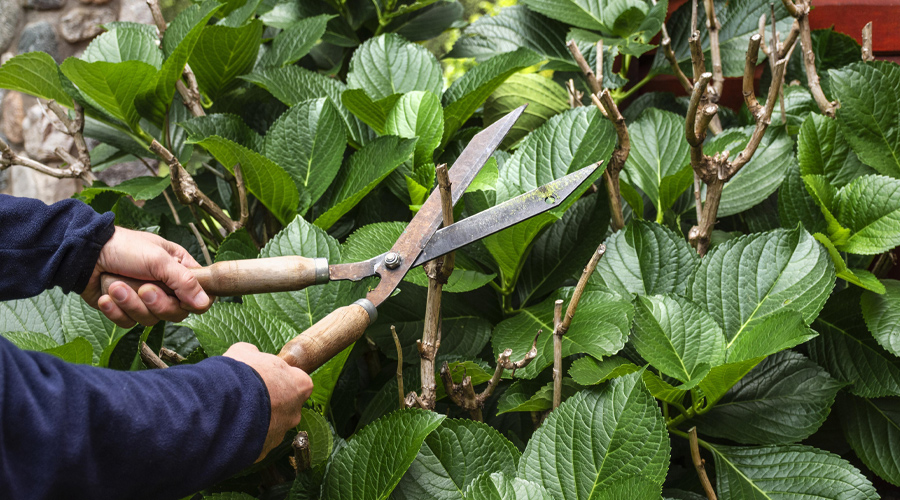
Tree surgery is the professional management of trees-pruning, removal, planting and health assessment-carried out by trained arborists. You should expect technicians with NPTC/City & Guilds or LANTRA qualifications and public liability insurance to handle tasks that affect safety, biodiversity and planning obligations such as Tree Preservation Orders (TPOs) or conservation-area consent.
Common Services Offered by Tree Surgeons
You’ll commonly see services like crown pruning, crown reduction (commonly 10-40% of canopy), crown lifting, pollarding, tree felling, stump grinding, planting, pest and disease treatment, emergency storm work and arboricultural reports (BS 5837 for development sites). For example, stump grinding typically removes 100-300mm of root below ground to prevent re-sprouting, while a BS 5837 tree survey for a single-house development usually costs between £200 and £600 depending on complexity; emergency call-outs often offer 24-48 hour response for dangerous trees.
Importance of Tree Maintenance for Your Garden
You should schedule inspections every 3-5 years and pruning every 2-4 years for fast-growing species to reduce branch failure, manage shading and maintain sightlines and property access. Regular maintenance also helps with compliance-works on TPO trees or in conservation areas may require prior consent. Mature oaks generally need less frequent intervention than leylandii; crown thinning of around 10-20% can lower wind loading, and proactive treatment for pests or fungal decay often prevents expensive removals. After storms like Eunice (2022), many unmaintained urban trees failed, underlining the financial and safety benefits of timely care.
Qualities of a Good Tree Surgeon
Qualifications and Certifications
You want a surgeon with formal training: NPTC/LANTRA units, City & Guilds or an NVQ Level 2/3 in arboriculture are standard. Check for membership of the Arboricultural Association or ISTF and certificates for chainsaw use, aerial rescue and pesticide application. Insist on seeing badges or scanned certificates so you can verify training for specific tasks like crown reduction or safe dismantling.
Experience and Expertise
Look for at least 5+ years working on domestic and commercial sites, with portfolios showing 100-200+ completed jobs. You should see evidence of species-specific work-mature oak pruning, leylandii reductions, and hedgerow restoration-plus references from nearby Croydon clients and photos of before-and-after jobs. Ask detailed questions about techniques and equipment: whether they use rigging, cranes, or hand-pulled wedges for dismantles, and how they protect hard surfaces and lawns. Check case examples-having handled a 15m oak close to power lines or a 30m leylandii hedge demonstrates ability to manage risk and logistics. You can verify local reputation via listings such as Tree Services Croydon, and always request contactable references from jobs in the same size and scope as yours.
Insurance and Liability Considerations
You must confirm public liability insurance (commonly £5m or more) and, if they employ staff, employers’ liability cover. Ask to see the insurer name, policy number and expiry date; a contractor without current policies should be ruled out immediately to protect you from liability for damage or injury. Require written confirmation that the policy covers arboricultural operations, including use of machinery, crane lifts and third-party property damage. Verify whether subcontractors are covered under the same policy and ask for method statements and risk assessments for complex work. If damage occurs, a clear insurer and policy number speeds claims-so keep copies of all documents and include insurance details in your contract before work starts.
Researching Tree Surgeons in Croydon
Finding Local Tree Surgeons
Search within a 5-mile radius or by Croydon postcodes (CR0-CR9) to find contractors who know local council rules and common species like London plane and sycamore; ask for at least three written quotes, confirm NPTC/City & Guilds qualifications and Arboricultural Association membership, and insist on public liability insurance of at least £5 million before scheduling work.
Online Reviews and Testimonials
Use Google, Trustpilot, Checkatrade and Yell to compare ratings; prioritise firms with an average of 4+ stars and 10-20+ reviews, check for dated testimonials within the last 6-12 months, and look for before/after photos that show stump removal, crown reductions or safe removals. Dig into reviews for consistency: if multiple customers mention the same issue-late arrival, poor tidy-up, or price changes-that signals a pattern; verify reviewer profiles where possible, check company responses to negative feedback, and cross-check testimonial photos against the firm’s portfolio or social media to confirm authenticity.
Recommendations from Friends and Neighbors
Ask neighbours who had similar work done-prune, crown lift, or full removal-for the contractor’s name, the exact job they paid for, and the final cost so you can compare scope and pricing; local recommendations often reveal who follows Croydon Council TPO rules and who leaves sites tidy. Request to see the completed job in person or photos, ask whether the contractor applied for a Tree Preservation Order consent when needed, and get a direct contact as a reference; firsthand reports about punctuality, clean-up standards and post-job issues give insight that online reviews may miss.
Questions to Ask Potential Tree Surgeons
What Services Do You Provide?
You should confirm the full list: pruning (crown thinning, reduction, pollarding), removals, stump grinding, root-care (air-spade), planting, pest/disease treatment and emergency call-outs. Ask whether they handle site clearance, hedges, and access-restricted work with cranes or rope techniques. Request written quotes – small jobs in Croydon often start around £200-£500, while large removals can exceed £1,000 – and check if disposal and arboricultural reports are included.
How Do You Approach Tree Health Assessments?
Ask for a step-by-step: a visual crown and bark inspection (15-45 minutes typically), root-plate and soil checks, fungal bracket and cavity searches, plus a documented Tree Risk Assessment using BS 5837/TRA guidance. Expect photographs, a clear diagnosis, prioritised recommendations (e.g., monitor, remedial pruning, or removal) and a costed written report you can pass to the council if a TPO or planning issue arises. For complex cases they should describe advanced diagnostics: resistograph or sonic tomography for internal decay, drone or aerial inspections for high crowns, and climbing inspections for precise pruning plans. Give an example: a Croydon property survey might reveal honey fungus at the root collar requiring phased removal and replanting with disease-resistant species; the report should list timescales, safety measures, and follow-up monitoring (typically 6-12 months).
Can You Provide References from Previous Clients?
You should ask for at least three recent references (within 12 months), preferably for jobs similar to yours in size or access, and request contact details plus before-and-after photos. Check online platforms like Checkatrade, Trustpilot or Google Reviews for a broader sample and watch for consistent praise about punctuality, tidiness, and communication. When you contact referees, ask specific questions: was the price accurate, did the team arrive on schedule, did they leave the site tidy and grind stumps, and were neighbours and council notified where required? Also verify they received copies of risk assessments, proof of public liability insurance (commonly £5m+), and a waste transfer note after the job.
Obtaining Quotes and Assessing Costs
Factors Influencing Tree Surgery Costs
Costs vary based on species, height, health, access and whether planning consents or bat surveys are needed; difficult sites or proximity to buildings increase time and safety equipment.
- Tree size and number
- Site access and parking
- Type of work (prune, reduce, remove, stump grind)
- Equipment needed (chainsaws, chippers, cranes)
- Waste disposal and permits
Comparing Multiple Quotes
Get at least three written, itemised quotes after a site visit; confirm labour rates, equipment hire, disposal, VAT and proposed start date so you can compare like-for-like within 7-14 days. Quote Comparison
| What to compare | Why it matters |
|---|---|
| Scope of work | Ensures identical tasks and prevents surprises |
| Itemised costs | Shows where savings or omissions occur |
| Timescale | Affects disruption and access charges |
| Insurance & references | Protects you from liability and confirms quality |
When you assess differences, check unit rates (per tree or per hour), crew size, and whether quotes include stump grinding, chip removal or extra safety measures; if one bid is 20-40% cheaper, ask for a line‑by‑line explanation and whether TPO or conservation-area fees are included. Cost Ranges
| Item | Typical range (GBP) |
|---|---|
| Small prune | £80-£250 |
| Stump grinding | £60-£200 |
| Medium tree removal | £300-£900 |
| Large tree removal | £900-£2,500+ |
| Crane hire (if needed) | £1,500-£5,000+ |
Understanding Payment Structures and Contracts
Payment terms typically require a deposit (usually 10-30%), staged payments for larger jobs and the final balance on satisfactory completion; confirm VAT, whether a formal contract is issued and that the quote becomes the binding scope when signed. Before you sign, request proof of public liability (commonly £5m+), a written scope with start/end dates, and a clause covering unforeseen work or delay costs; avoid full upfront payments, insist on a final invoice and waste transfer notes if removal is included, and keep final payment until you’ve inspected the completed site.
Safety and Environmental Considerations
Safety Protocols for Tree Surgery
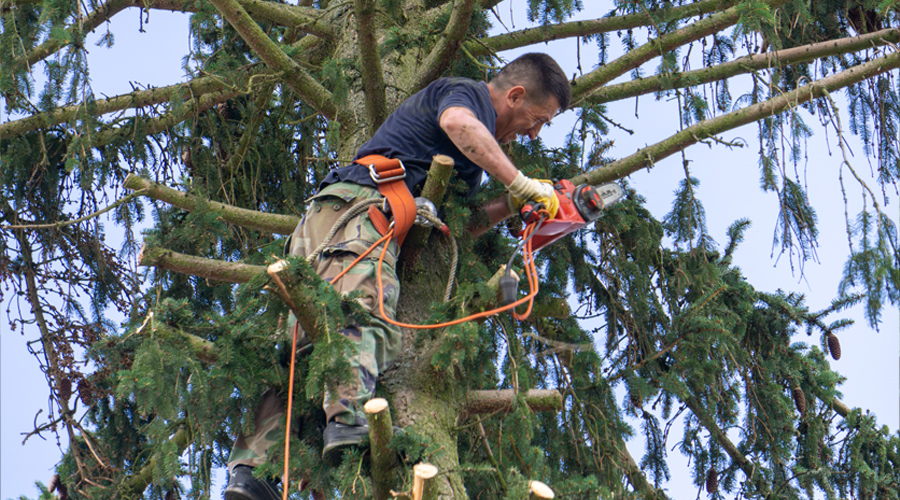
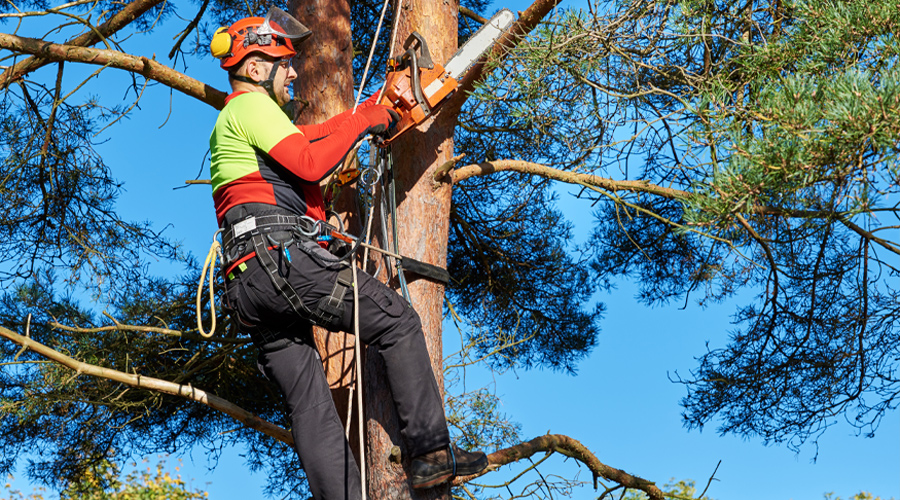
You should expect a written risk assessment and method statement (RAMS), with climbers using certified harnesses, helmets, chainsaw protective trousers and NPTC-qualified operators. Contractors must set exclusion zones and use a banksman for drop areas, operate traffic management on road-side jobs, carry at least £5m public liability insurance, and have an emergency rescue plan and first-aid trained staff on site.
Impact on Local Wildlife and Ecosystem
You need to time works around nesting season (typically March-August) and be aware that bats and their roosts are fully protected by law; finding a bat roost can halt work until a licensed ecologist completes surveys and Natural England grants a licence. Practical steps include commissioning a Preliminary Ecological Appraisal (PEA) before major works, arranging bat emergence surveys (evening surveys May-Aug) if cavities exist, and providing mitigation such as bat boxes or phased felling. Local planning often requires replacement planting-commonly 2:1 or 3:1 ratios for lost canopy-and Croydon Council will flag Tree Preservation Orders or conservation-area constraints that affect timing and consent.
Sustainable Practices in Tree Surgery
You should ask whether contractors chip arisings on-site (chipping can cut volume by up to 70%) and reuse wood as mulch or firewood, operate low-emission kit (Stage V engines or battery tools), and follow environmental management standards like ISO 14001 or membership of the Arboricultural Association. Good firms provide waste transfer notes, evidence of licensed disposal or reuse, and examples of community benefit-supplying woodchip to allotments or donating logs to residents. Also consider asking about stump-grinding versus chemical removal, soil protection measures during works, and a replanting plan that replaces biodiversity value lost with native species and appropriate nursery stock.
Finding the best tree surgeon in Croydon
Ultimately you should prioritise accredited qualifications, valid insurance and local experience when choosing a tree surgeon for your Croydon garden; get multiple written quotes, check recent references and online reviews, confirm arboricultural certifications and safe working practices, and insist on a clear contract and waste disposal plan so you secure competent, reliable care for your trees.
FAQ
How do I verify a tree surgeon’s qualifications and competence for work in my Croydon garden?
Ask for proof of industry qualifications such as NPTC/City & Guilds certificates, arboricultural training, and membership of recognised bodies (e.g. Arboricultural Association). Confirm practical competence by viewing recent before-and-after photos of similar jobs, checking they have up-to-date chainsaw and aerial rescue training, and requesting details of the team who will attend.
What insurance and documentation should a reputable tree surgeon provide?
Insist on current public liability insurance (minimum £5 million commonly advised) and employer’s liability cover if they have staff. Request a formal written quote, a method statement and risk assessment for the job, and confirmation they will provide a completion note and waste transfer documentation for green waste disposal.
How can I check whether I need permission for tree work in Croydon?
Contact Croydon Council’s planning or search the council website for Tree Preservation Orders (TPOs) and conservation area rules; certain trees require written consent before work. A competent tree surgeon should advise on TPOs, submit applications on your behalf if needed, and factor council timescales into their schedule.
What should I compare when getting multiple quotes?
Compare scope of work, method statements, included services (stump grinding, tidy-up, chip removal), timescale, payment terms, and whether the quote is fixed or subject to change. Beware of very low prices with vague descriptions; a clear, itemised quote that matches a risk assessment and insurance details is preferable.
How do I assess a tree surgeon’s reputation and suitability for garden work?
Check local reviews, ask for recent Croydon references or site contacts, and verify online listings and social media for consistent feedback. Call referees to ask about punctuality, site cleanliness, damage prevention, and whether work matched the written quote.
What health, safety and environmental protections should be in place during the job?
The contractor should provide a written risk assessment, use appropriate PPE and traffic management if needed, and follow safe tree-felling and dismantling procedures. They must also protect wildlife by avoiding nesting season where possible or arranging ecological checks, and ensure green waste is recycled or disposed of under a waste transfer note.
When is the best time to schedule tree surgery and what aftercare should I expect?
Most pruning and crown reduction work is best done in late winter or early spring when trees are dormant, but timing depends on species and nesting seasons; specialist advice avoids harm. Aftercare should include clear guidance on wound treatment if needed, stump management options, and a post-job inspection or guarantee for structural work where applicable.