
Expert Tree Cutting Services for Your Property
Why Choose Professional Tree Cutting?
Safe Execution:
Efficient and Cost-Effective Service:
Environmentally Friendly Practices:
In-Depth Expertise:

Ensuring Precision and Safety with Expert Tree Cutting
Comprehensive Inspections:
Controlled Cutting Techniques:
Modern Equipment:
Protecting Your Property During Tree Cutting
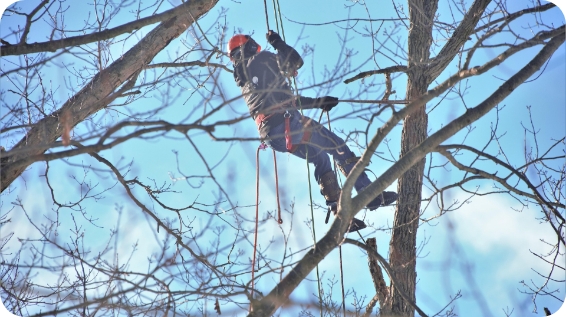
Planned Procedures:

Damage Prevention Tools:

Debris Management:
After cutting, we remove waste efficiently, leaving your outdoor area clean and free of hazards. Recyclable materials can be processed into mulch or firewood upon request.
Our Tree Cutting Process Explained
Initial Assessment and Planning
- Identify health issues like rot, disease, or weak branches that may impact the cutting process.
- Assess the tree’s size, location, and proximity to buildings, power lines, or other potential hazards.
- Determine the best cutting strategy to achieve your desired outcome, whether it’s removing a dangerous branch or shaping the tree for aesthetic purposes.


Controlled Tree Cutting Techniques
- Branch Weight Management: Strategically removing sections to reduce stress on the tree and prevent sudden breakage.
- Guided Cutting: Using ropes and rigging to control the direction of falling branches, minimising risks to people and property.
- Minimally Invasive Methods: Employing precision tools and techniques to avoid unnecessary damage to the surrounding landscape.
Post-Cutting Cleanup and Disposal
- Clearing all branches, logs, and debris from the site.
- Offering eco-friendly disposal options, including recycling materials into mulch or firewood where applicable.
- Inspecting the area to confirm no hazards remain and the site is safe to use.
Common Reasons for Tree Cutting
Tree cutting plays a crucial role in maintaining the health, safety, and appearance of your property. While some trees thrive without interference, others may require cutting for practical or aesthetic reasons. At Tree Thyme, we address a wide range of situations where professional tree cutting is essential.
Managing Overgrown Trees
- Block sunlight from reaching your garden, stunting the growth of grass and other plants.
- Strain the tree’s structure, increasing the likelihood of branch failure or toppling during storms.
- Extend roots into driveways, patios, or underground pipes, causing costly damage.
Clearing Branches Away from Structures
- Scrape against roofs and walls during windy conditions, wearing down materials.
- Interfere with utility lines, creating fire risks or power outages.
- Provide pathways for pests, such as rodents, to access your home.
Improving Aesthetic Appeal of the Landscape
- Enhance the symmetry and structure of trees, creating a visually appealing landscape.
- Remove unsightly deadwood or damaged limbs.
- Open up views or frame key areas of your property, such as patios or scenic overlooks.
Types of Tree Cutting Services We Offer
Residential Tree Cutting
- Improving Garden Health: Managing overgrown trees to allow sunlight to reach lawns, flowerbeds, and other plants.
- Ensuring Safety: Removing branches that pose risks to structures, walkways, or play areas.
- Enhancing Curb Appeal: Shaping trees to complement the overall aesthetics of your home and landscape.
Commercial Tree Cutting
- Maintain Public Safety: Removing hazardous branches or dead trees that could endanger visitors, employees, or passers-by.
- Support Long-Term Property Management: Regular cutting to ensure trees don’t interfere with signage, lighting, or utility lines.
- Enhance Professional Image: Ensuring that outdoor spaces, such as parks, gardens, or office grounds, remain tidy and welcoming.
Emergency Tree Cutting Services
- Remove Fallen Trees: Clearing trees that block roads, driveways, or access points.
- Stabilise Dangerous Trees: Safely cutting or removing trees that are leaning precariously or at risk of falling.
- Stabilise Dangerous Trees: Safely cutting or removing trees that are leaning precariously or at risk of falling.

When Is Tree Cutting Necessary?
Signs Your Trees Need Cutting
- Dead or Dying Branches: Brittle, discoloured branches are a safety risk and should be removed to prevent falling.
- Overcrowded Canopy: Dense foliage can block sunlight and air circulation, weakening the tree and nearby plants.
- Leaning Trees: A sudden lean or shift in a tree’s position may indicate root instability and the need for immediate cutting.
- Proximity Issues: Branches growing too close to your home, utility lines, or walkways pose risks of damage or obstruction.
- Visible Damage or Disease: Cracks, holes, or signs of fungal growth on the trunk or branches suggest internal decay that requires expert assessment.
Seasonal Considerations for Tree Cutting
- Winter (Dormant Season): This is often the best time for tree cutting as the lack of leaves allows for better visibility of the tree’s structure. Additionally, cutting during dormancy minimises stress on the tree and reduces the risk of pest infestations.
- Spring and Summer: These seasons may require selective cutting to manage fast-growing branches or address storm damage. However, over-pruning during active growth should be avoided to prevent weakening the tree.
- Autumn: This period is ideal for removing deadwood and preparing trees for the winter months, but extensive cutting should be approached with caution as trees are storing energy for the colder season.
Safety and Equipment in Tree Cutting
Advanced Tools for Safe Tree Cutting
- Chainsaws and Pole Saws: Designed for efficient branch removal and precise cutting, these tools are used to manage branches at different heights.
- Rigging Systems: Ropes, pulleys, and slings are used to safely lower large branches and control their fall, preventing damage to nearby structures or landscaping.
- Hydraulic Lifts: For taller trees, our team uses elevated platforms to access hard-to-reach areas without endangering climbers.
- Protective Gear: Helmets, gloves, harnesses, and high-visibility clothing ensure our tree surgeons remain safe throughout the process.
- Wood Chippers: To efficiently dispose of cut branches, we use chippers to convert debris into mulch, which can be recycled or repurposed.
Why DIY Tree Cutting Is Not Recommended
- Safety Risks: Without proper training or equipment, attempting to cut trees can lead to accidents, injuries, or property damage. Falling branches or mishandled tools can quickly turn dangerous.
- Improper Techniques: Incorrect cutting can cause irreparable damage to the tree, leading to poor regrowth, disease, or the need for full removal later.
- Lack of Equipment: Professional tree surgeons use specialised tools and rigging systems that are rarely accessible to the average person. Without these, tree cutting becomes far more difficult and hazardous.
- Hidden Costs: DIY efforts that result in property damage or incomplete work often require costly corrections by professionals.
Frequently Asked Questions About Tree Cutting
How Much Does Tree Cutting Cost?
Lorem ipsum odor amet, consectetuer adipiscing elit. Cras nibh at gravida rhoncus suspendisse. Risus parturient conubia; placerat scelerisque lectus tempus lacinia. Duis fusce odio imperdiet litora risus tincidunt. Nunc ullamcorper nostra quis, parturient sed sagittis. Enim congue aliquam cubilia bibendum eleifend maecenas. Iaculis at vehicula diam mus vestibulum mauris. Iaculis consectetur non ullamcorper fringilla neque laoreet penatibus.
How Long Does Tree Cutting Take?
Lorem ipsum odor amet, consectetuer adipiscing elit. Cras nibh at gravida rhoncus suspendisse. Risus parturient conubia; placerat scelerisque lectus tempus lacinia. Duis fusce odio imperdiet litora risus tincidunt. Nunc ullamcorper nostra quis, parturient sed sagittis. Enim congue aliquam cubilia bibendum eleifend maecenas. Iaculis at vehicula diam mus vestibulum mauris. Iaculis consectetur non ullamcorper fringilla neque laoreet penatibus.
How Long Does Tree Cutting Take?
Lorem ipsum odor amet, consectetuer adipiscing elit. Cras nibh at gravida rhoncus suspendisse. Risus parturient conubia; placerat scelerisque lectus tempus lacinia. Duis fusce odio imperdiet litora risus tincidunt. Nunc ullamcorper nostra quis, parturient sed sagittis. Enim congue aliquam cubilia bibendum eleifend maecenas. Iaculis at vehicula diam mus vestibulum mauris. Iaculis consectetur non ullamcorper fringilla neque laoreet penatibus.