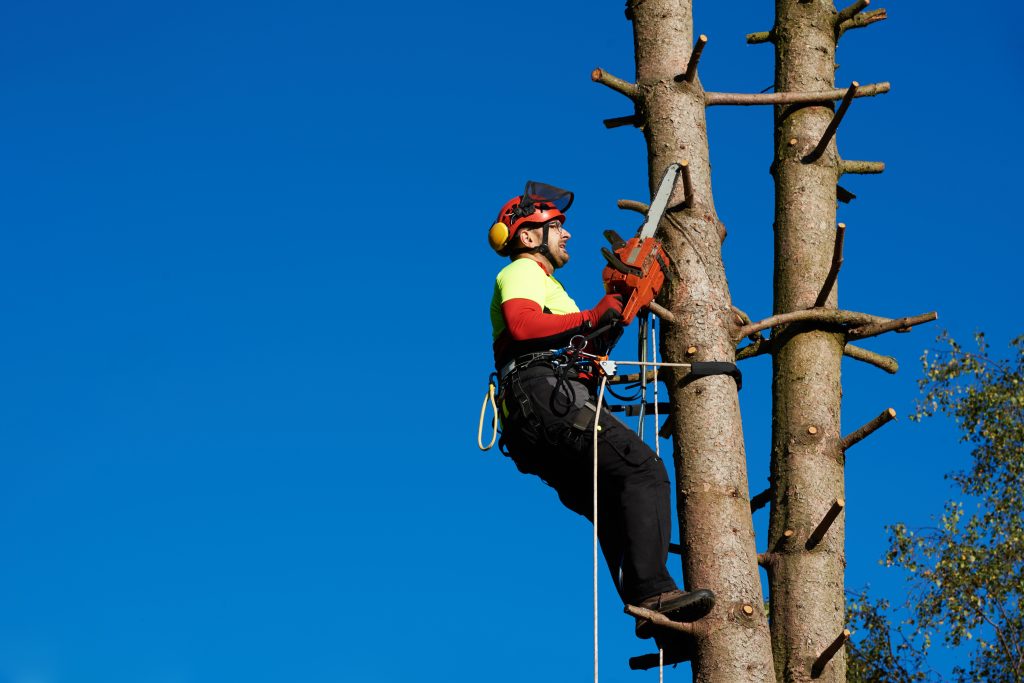
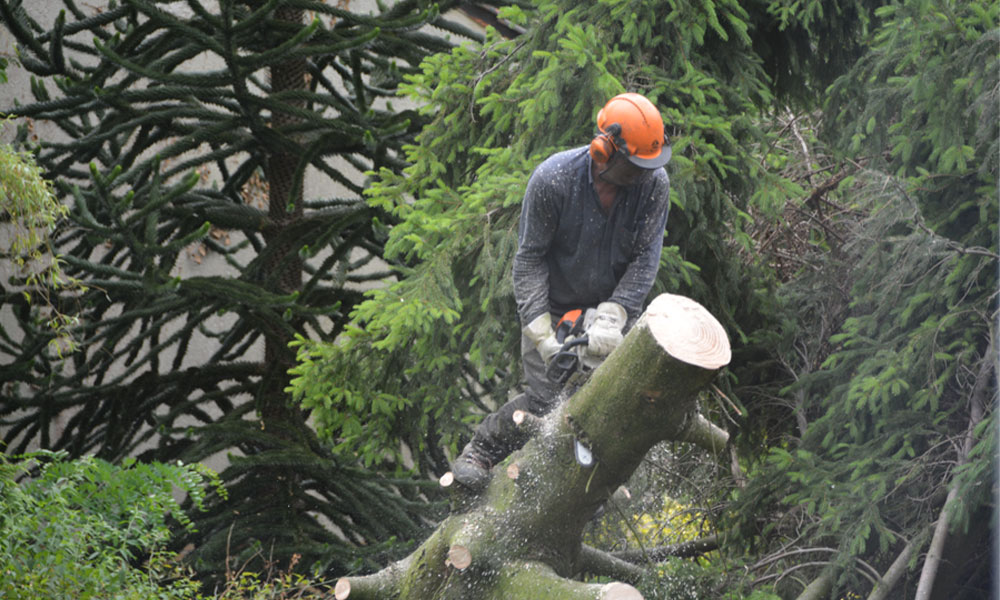
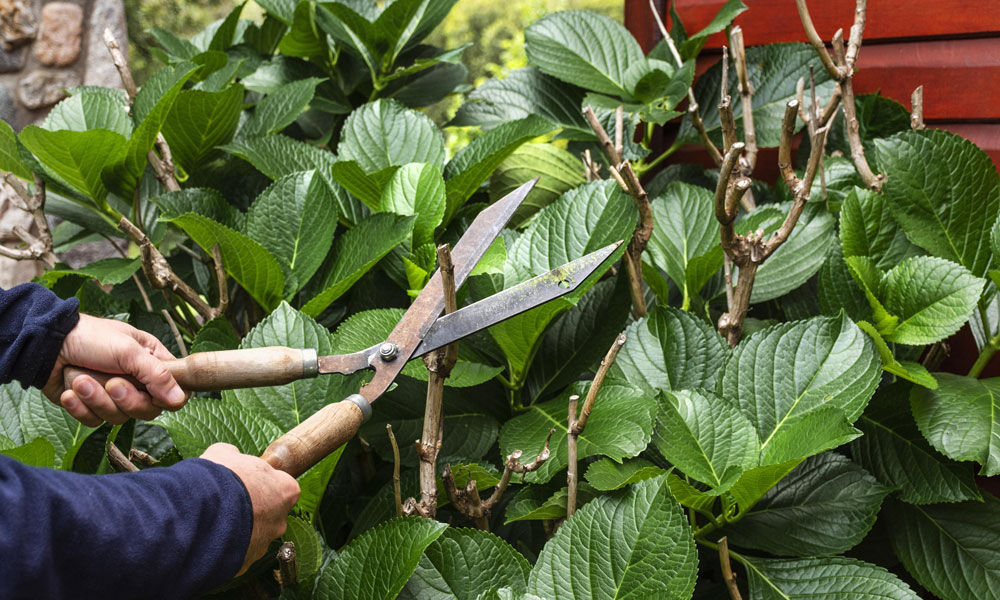
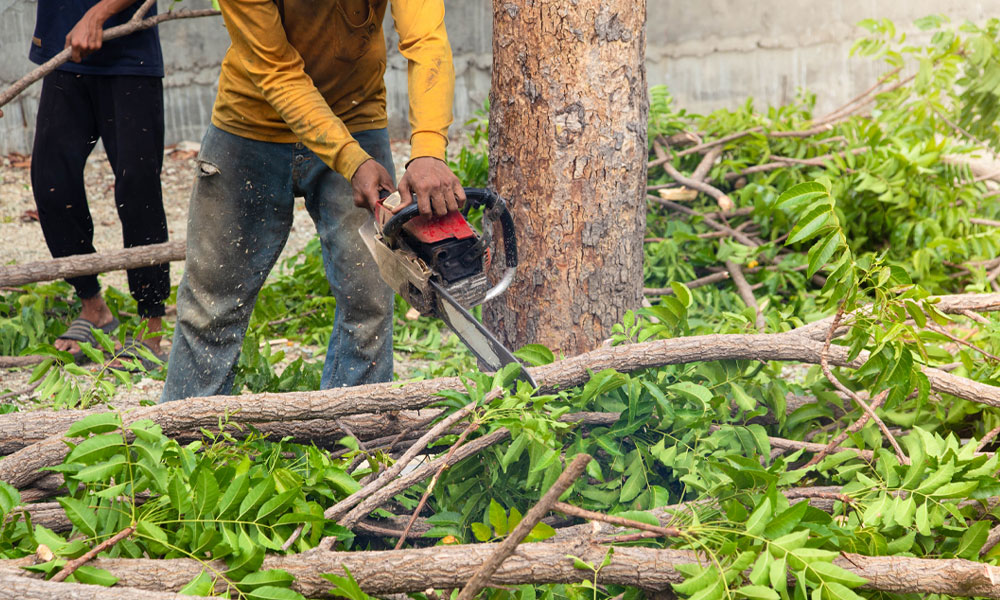
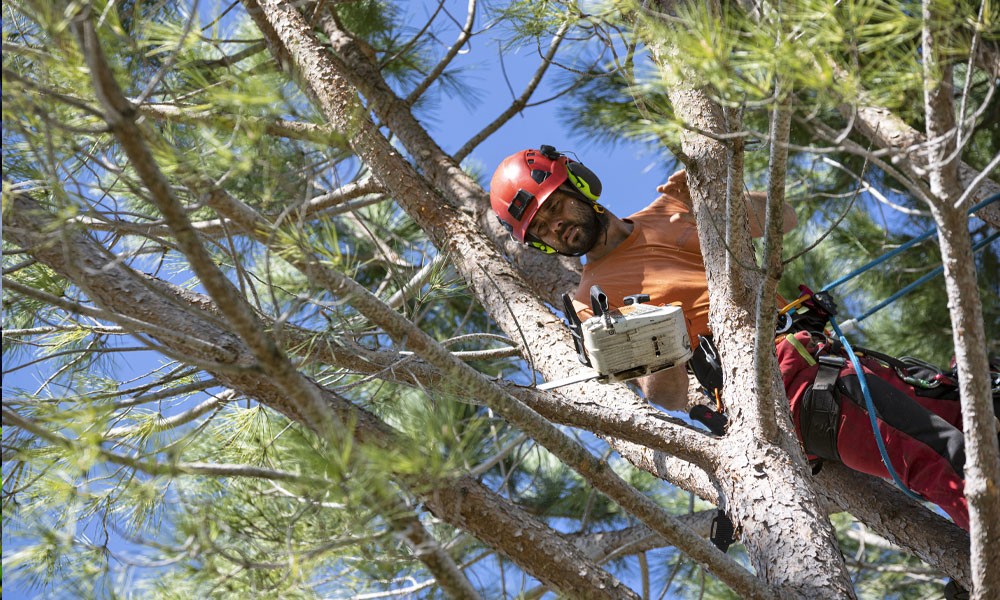
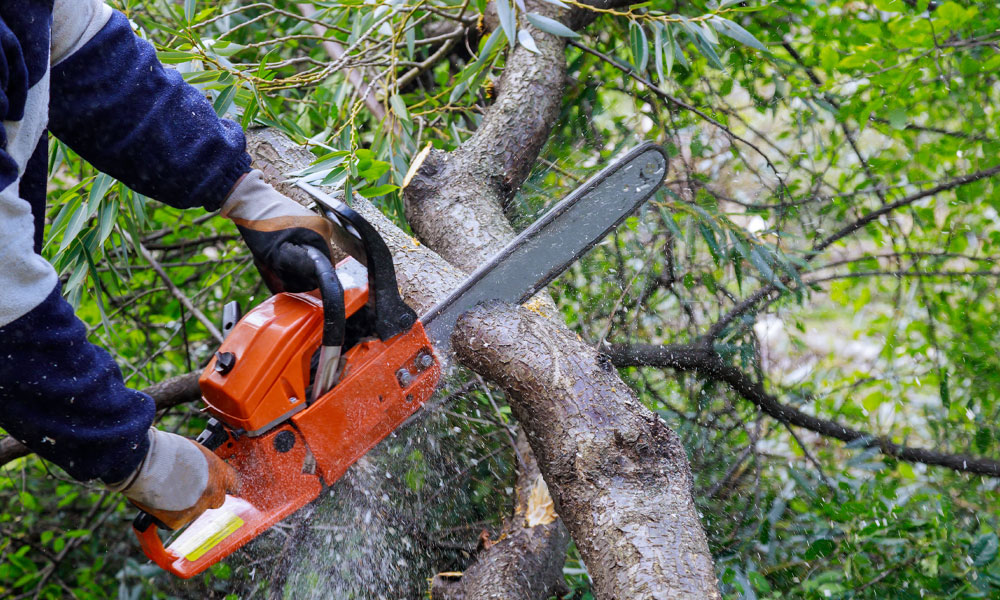
A tree surgeon is a trained hands-on specialist who maintains and repairs trees by pruning, felling, treating pests and diseases, and installing supports. You’ll commonly see them using ropes, harnesses, chainsaws and stump grinders to work at heights of 15-20 m. Many hold NPTC/City & Guilds or ISA qualifications and follow standards such as BS 3998 when pruning, so if your mature tree shows structural failure or decay they diagnose the problem and carry out the safe remedy.
Arborists focus on tree biology, long-term management and consultancy-producing BS 5837 surveys, root protection plans and risk assessments-whereas tree surgeons carry out the physical interventions like crown reductions, removals and emergency storm work. If you need a pre-construction tree report or detailed soil-root analysis hire an arborist; if you need a cracked limb removed or a stump ground out, a tree surgeon delivers the practical solution.
In practice the roles overlap: many professionals hold both ISA and LANTRA/NPTC units and offer surveys plus on-site works. For example, reducing a 12-15 m maple typically takes a two-person crew 2-4 hours with sectional felling and chipping, while a BS 5837 arboricultural report for the same property can require 3-6 hours of surveying, mapping and written recommendations-so choose based on whether you want assessment or execution.
Most entry-level roles require a high school diploma or equivalent; you’ll advance faster with an associate degree in arboriculture, forestry or horticulture, or by completing a 2-4 year apprenticeship that mixes classroom instruction with on-the-job training. Many employers prefer candidates who’ve taken courses in tree biology, plant pathology and safe rigging techniques, and universities offer bachelor’s programs (3-4 years) if you aim for urban forestry or research careers.
You should pursue industry credentials such as the ISA Certified Arborist, which typically requires three years’ full-time experience or a related degree plus a passing exam, and professional licenses for pesticide application and chainsaw operation. Company-level accreditations (for example TCIA/GreenPRO or nationally recognised contractor schemes) also boost client trust and contract eligibility.
In practice, certification pathways vary by region: the ISA credential needs renewal every three years-usually by earning about 30 continuing education units (CEUs)-while many countries require practical, assessed units for chainsaw work and aerial rescue (e.g., NPTC/City & Guilds modules in the UK). You’ll also often need a commercial pesticide applicator license or equivalent state/provincial permit, plus any vehicle or crane operator certifications for heavy-lift jobs.
Ongoing training keeps your skills current: you can attend short courses (1-5 days) on advanced pruning, soil remediation, or tree risk assessment, take online webinars offered by ISA or universities, and join employer-led safety and rigging refreshers. Many programs are structured to supply the CEUs required for recertification.
Look for targeted credentials such as ISA’s Tree Risk Assessment Qualification (TRAQ), advanced diagnostics courses covering resistograph and sonic tomography, and formal aerial-rescue training that includes simulated scenarios. Employers often fund these programs; completing them not only helps you meet recertification thresholds but also improves on-site safety, bidding competitiveness, and your ability to diagnose complex decline or structural issues.
You benefit from targeted pruning-crown thinning, crown reduction, and formative pruning-to improve structure, increase light penetration, and boost fruit yield; work is typically scheduled every 3-5 years for mature specimens, while young trees need formative cuts annually for the first 3-5 years.
Stump grinding reduces a remaining trunk to wood chips and typically grinds 250-300 mm below ground level so you can replant or landscape; you’ll get a faster, less disruptive result than full excavation in most suburban plots.
Contractors use grinders with cutting wheels sized 12-24 inches depending on stump diameter; you can expect chip removal or on-site recycling, and if you plan to replant immediately the surgeon may grind deeper or remove major roots-chemical treatments are rarely necessary unless signs of regrowth or pathogens persist.
You’ll have disease issues diagnosed by visual inspection and, when needed, lab tests (culture or DNA assays return results in 7-14 days); treatments include selective pruning, soil aeration, root collar excavation, and targeted fungicide injections for systemic infections.
Common pathogens include Armillaria root rot, Phytophthora spp., and Dutch elm disease; effective management combines sanitation (removing infected material), altering site conditions to improve drainage and root health, and, where appropriate, trunk or soil-applied systemic fungicides administered by a qualified professional following local regulations.
Surgeons monitor and manage pests such as bark beetles, emerald ash borer, and caterpillars using integrated pest management-timed treatments, trapping, and biological controls-to reduce populations while minimizing non-target impacts.
Practical measures include pheromone traps for early detection, systemic insecticide injections in late spring for borers, and releasing beneficial predators where available; you’ll also benefit from seasonal monitoring data and bespoke action plans that target life stages of the pest to maximise efficacy and comply with pesticide regulations.
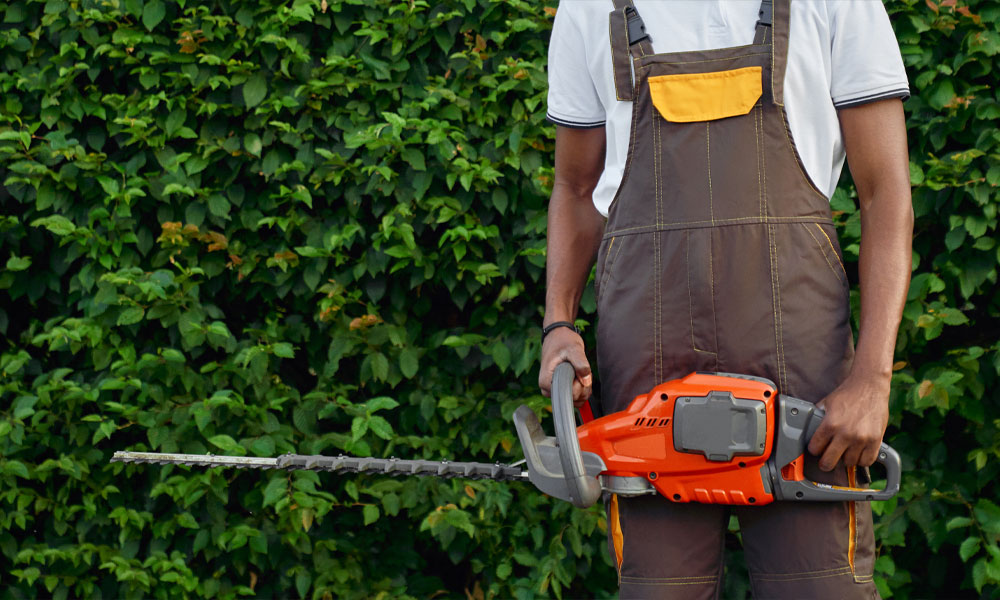
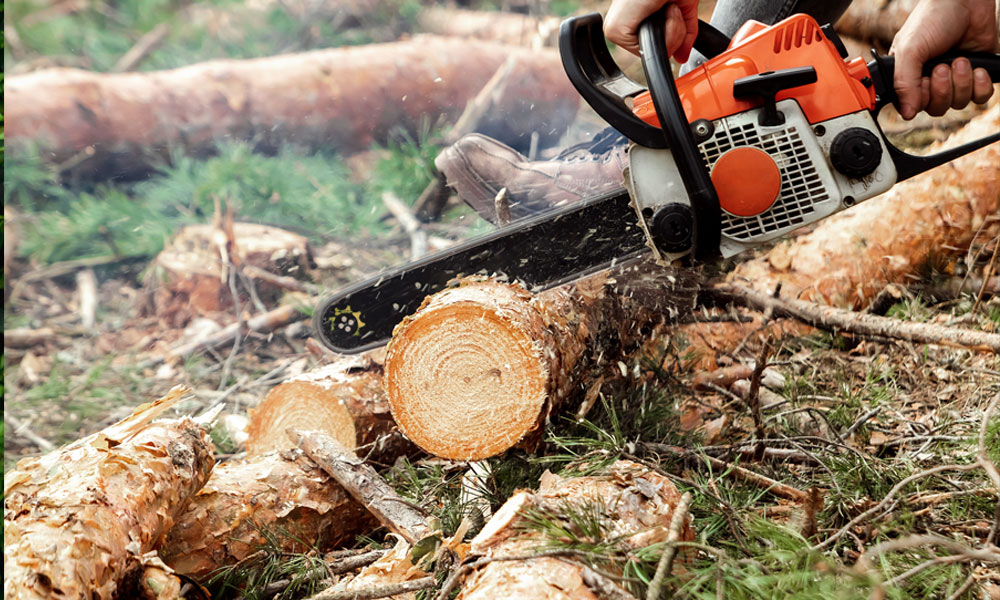
Chainsaws span battery and petrol models with bar lengths from about 12″ for precision pruning to 36″ for large felling; you’ll typically use 12-16″ for crown work, 18-24″ for small trees and 30″+ for big removals. Pruning tools include bypass secateurs for live wood, anvil pruners for dead material, loppers cutting up to ~30mm, pole pruners extending 4-6m, and hand saws or arborist folding saws for tight spots.
Helmets with integrated visors and ear defenders, cut-resistant chainsaw trousers, anti-vibration gloves, and steel-toe boots with ankle protection make up your basic PPE; when you climb, add a certified harness, two-point lanyards and locking carabiners (commonly rated ~22 kN) to control fall and work positioning risks.
Face protection varies by task: mesh visors for brushing and full polycarbonate shields for high-speed chips, while earmuffs typically give 20-30 dB attenuation for prolonged chainsaw exposure. Your harness choice depends on whether you need fall-arrest (single attachment) or work-positioning (multiple anchor points), and you’ll pair that with low-stretch arborist ropes (about 10.5-12.5 mm) and rated hardware to manage dynamic loads during climbing and rigging.
Woodchippers, stump grinders and aerial platforms expand what you can safely remove: small towable chippers handle 50-150 mm branches, medium machines up to 250-350 mm, while walk-behind stump grinders suit urban yards and truck-mounted units tackle large commercial stumps; aerial lifts commonly range from 10-30 m working height for crown access.
Operational choices hinge on access and volume: a 35-50 HP towable chipper will process dozens of cubic metres of greenwood per day on a maintenance contract, a 20-40 HP stump grinder clears typical residential stumps in minutes, and crane-assisted removals (using slings and taglines) are standard when buildings or powerlines constrain drop zones-your machine selection balances throughput, footprint and ground protection.
You rely on trees for measurable ecosystem services: a mature tree absorbs about 48 lb (22 kg) of CO2 per year and an acre of mature woodland can sequester roughly 2.6 tons annually (EPA). They support biodiversity-an oak, for example, can host over 500 caterpillar species-filter particulates from urban air and reduce runoff by intercepting rainfall, lowering erosion and pressure on stormwater systems.
You gain immediate curb appeal and livability from well-maintained trees; studies show mature, well-placed specimens can raise property values by up to 15%. Seasonal color, canopy framing and shade create visual harmony, privacy and outdoor rooms that make yards more usable and marketable.
You should select species and forms deliberately: Japanese maple or crabapple for small yards, oak or maple for long-term structure. Prune selectively every 3-5 years to preserve silhouette, open sightlines and avoid over-thinning. Position large trees at least 20-30 ft from structures so mature canopy and roots don’t compromise foundations, hardscapes or sightlines.
You must address hazards like deadwood, poor branch unions and root decay since failing limbs and uprooted trees cause most storm damage and injuries. Trees touching power lines increase outage and fire risk, so clearance and proactive pruning are part of routine safety management.
You should have inspections every 2-3 years and after major storms to check for cracks, fungal conks, root heave and trunk cavities; report any signs of structural weakness immediately. Mitigation options include targeted removal, crown reduction, or installing cables/braces for high-value trees. Hire an ISA-certified arborist for work near lines or complex structural issues to keep your property and people safe.
You should verify formal qualifications such as ISA Certified Arborist, NVQ/City & Guilds in arboriculture or membership of the Arboricultural Association, plus proof of public liability insurance (commonly £5M+). Check operatives hold CSCS or equivalent competence cards and that the company is a registered waste carrier. Ask to see recent RAMS (risk assessment and method statement) and evidence of training for elevated work platforms or rope-access if your job needs them.
Request 3-5 recent references from jobs similar to yours-same species, tree size or urban setting-and ask for before-and-after photos and contact details. Prioritise referrals within your locality (within 5 miles) so you can inspect completed work in person and verify the standard of pruning, removal and site cleanup.
When you contact references, use specific questions: did the crew arrive on schedule, follow the agreed method statement, and leave the site tidy? Ask whether any damage to turf, fences or driveway occurred and how quickly the contractor rectified issues. Cross-check with online reviews and the local council for logged complaints; if a supplier won’t provide at least three verifiable references from the past 12 months, treat that as a red flag.
Get at least three written, itemised quotes that list scope (crown reduction vs removal), DBH (diameter at breast height) measurements, access requirements, traffic management, stump disposal and VAT. Ensure each estimate includes timescale, permit responsibilities and whether site clearance is included so you can compare like-for-like costs.
Clarify whether quotes are fixed-price or provisional and ask about typical deposits (usually 10-30%). Expect a small crown reduction on a medium garden tree to cost roughly £150-£450, whereas large removals can range from £800-£3,000+ depending on height, access and presence of protected trees. Insist the quote references potential extras for hidden decay or constrained access, and request an arboricultural report if planning permission or tree preservation orders may apply.
Taking this into account, a tree surgeon assesses your trees, diagnoses pests and diseases, performs pruning and removals, and implements treatments to preserve health and safety. You rely on their expertise to plan safe access, use specialised equipment, and protect your property and landscape. They also advise you on long-term care to maintain healthy trees and reduce future risks.