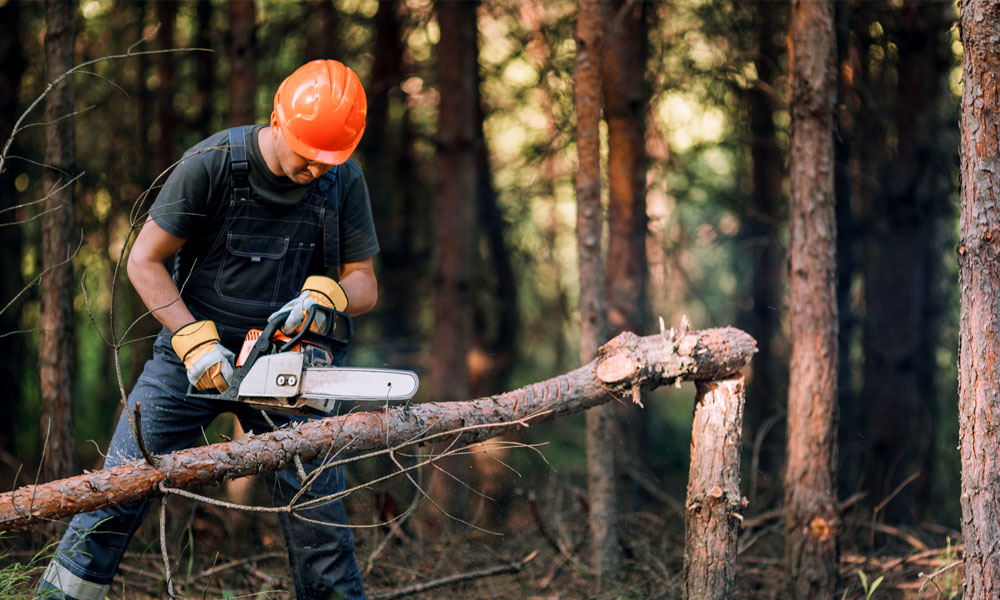
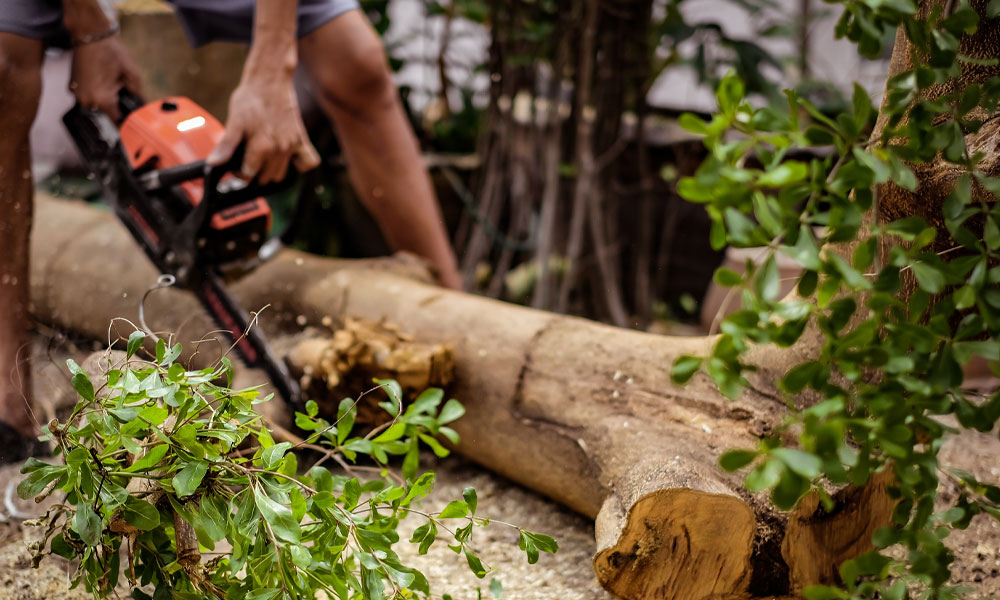
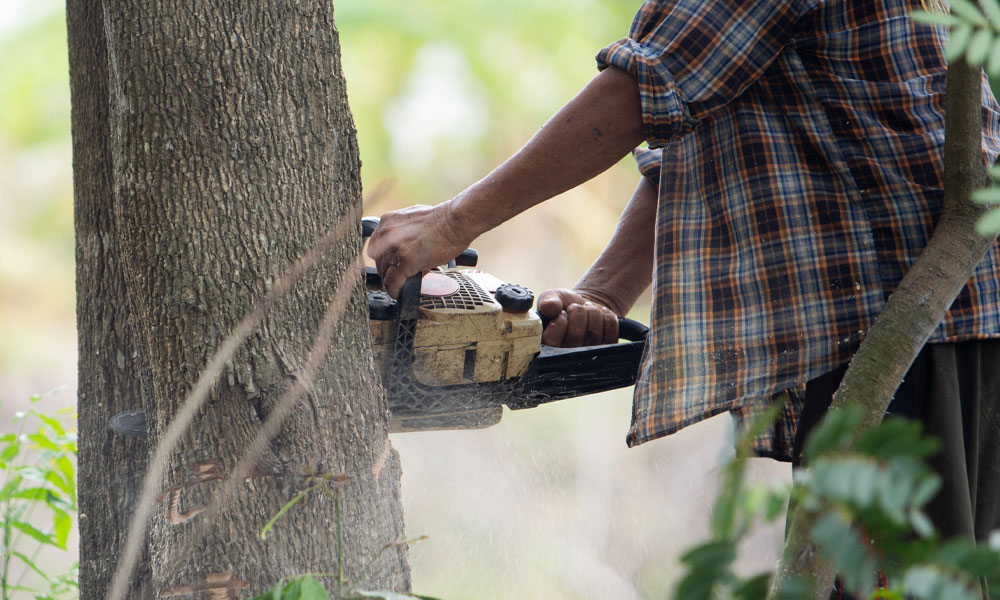
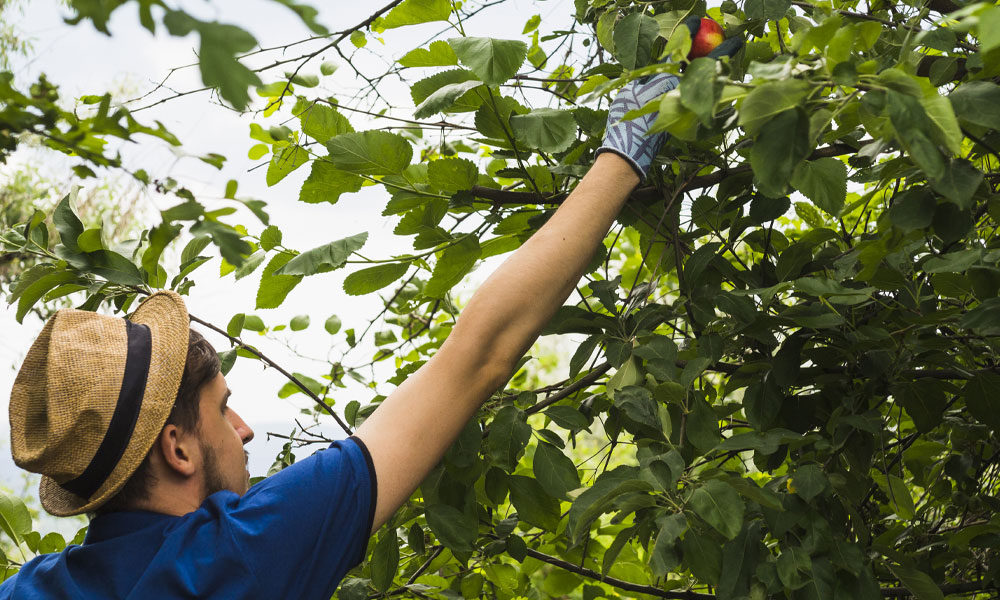
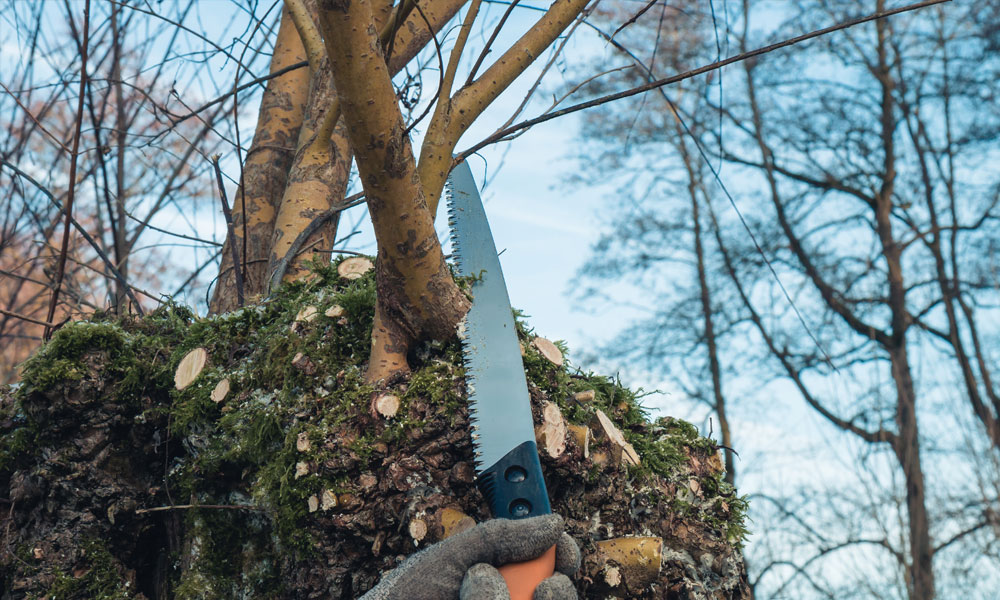
Tree surgery, or professional arboriculture, is the targeted intervention you commission to manage tree health, structure and safety – pruning, crown reduction (commonly limited to ≤25% per operation), removals, stump grinding, root management and cabling/bracing. Certified arborists (ISA or local equivalent) assess defects, pests and site constraints; trees taller than about 10 m usually need rope access and specialist equipment.
Inspections every 1-3 years help you detect issues like fungal fruiting bodies, included bark or girdling roots early; for example, Ganoderma-induced decay can make a seemingly healthy 15-20 m tree unsafe within a few seasons. Proactive maintenance often costs 30-50% less than emergency removals and associated repairs.
Pest infestations, fungal diseases, structural defects (included bark, weak unions), root damage, soil compaction and poor previous pruning are the problems you’ll encounter most. Urban trees frequently suffer from restricted rooting space and mechanical wounds, while rural specimens face insect outbreaks such as emerald ash borer, which can kill ash within 2-4 years if untreated.
When you spot symptoms – progressive canopy dieback, fungal conks, large cavities or significant lean – a targeted response may include diagnostic decay testing, selective pruning, cabling, root aeration or staged removals. Following standards like BS 3998:2010 or guidance from your certified arborist helps you choose the least disruptive, safest remedy.
You should check for formal vocational qualifications such as NVQ Level 2 or 3 in Arboriculture or City & Guilds in tree work, plus NPTC certificates for chainsaw use and stump grinding; practical competence in rigging and aerial rescue is aIf you notice large cavities, splitting bark, or deadwood exceeding about 20% of the canopy, schedule an assessment; a trunk split that removes more than 30% of the circumference or a crown dieback of 40% often signals structural failure. You should also watch for exposed heartwood, deep vertical cracks, sap bleeding, or rot odors-these are clear indicators that the tree’s strength is compromised and professional surgery may be needed to manage risk.often demonstrated by IPAF or similar MEWP tickets for high-access jobs.
You might see co-dominant stems, heavy one-sided canopies, or excessive epicormic shoots after stress events; a fork where competing stems are each over 50% of trunk diameter raises failure risk and warrants pruning or bracing. Rapid leaning or a suddenly asymmetric crown after storms also suggests underlying root or structural problems you should address before a collapse occurs.
In practice, epicormic sprouting often follows root loss or severe pruning, while included bark at unions increases the chance of limb separation under load. You should document growth angles, measure cambial callus around wounds, and consider targeted reduction pruning or cabling when unions show cracks or exposed bark-these interventions reduce wind leverage and redistribute mechanical stress.
For more detail, inspect the trunk and lower limbs for fresh boreholes and accumulations of frass at the base; sap-sucking insects may leave sooty mold or sticky residue. You should time treatments to pest life cycles (spring emergence for many borers), consider systemic insecticides for high‑value trees, and use monitoring traps to decide if surgery, targeted pruning, or removal is the safest option.
Fruiting bodies such as brackets, shelf fungi, or ground mushrooms at the base indicate internal decay-species like Ganoderma or Laetiporus often signal extensive wood rot. When you see conks on the trunk or roots, the decay is frequently well advanced and the tree’s load-bearing capacity may be significantly reduced, prompting immediate evaluation for surgery or removal.
Fungal infections can be insidious: fruiting bodies may appear years after infection and decay can extend several meters beyond what you see above ground. You should have an ISA‑certified arborist perform sounding, resistograph tests, or sonic tomography to map decay; based on the extent, options range from targeted pruning and bracing to complete removal to mitigate failure risk.
Proper surgery removes diseased limbs, improves airflow, and reduces fungal spread to help your tree recover faster; for example, pruning infected branches within two weeks of detection can limit rot and targeted crown thinning of 10-20% often reduces windthrow and mechanical stress on remaining limbs.
Pruning reshapes your trees to highlight structure, increase light penetration, and enhance seasonal display, so your landscape shows stronger forms and flowering-selective trimming can double visible blooms on species like magnolia or cherry within a single season.
By removing crossing branches and balancing canopy density you elevate sightlines and lawn health: reducing canopy density by about 15% can allow up to 30% more understory light, which improves turf vigor and makes architectural features like your porch or facade more prominent to visitors and buyers.
Removing deadwood and correcting structural defects lowers the chance of limb failure during storms, protecting your roof, power lines, and vehicles; branches over 6 inches in diameter or trees older than 50 years with visible decay should be evaluated to avoid expensive repairs and insurance claims.
When you address root girdling and heavy overhangs, you reduce foundation and roof risk-roots displaced by poor grading can crack walkways, and a single 20-40 lb branch failure in 40+ mph winds can puncture shingles or break windows, so proactive surgery is an effective risk-management step.
When you maintain trees well, they boost your curb appeal and marketability, with landscaping improvements-including professional pruning-commonly cited as adding roughly 5-12% to home sale prices in competitive markets, and often leading to faster sales.
You can quantify returns by documenting before-and-after photos and appraisal notes: a healthy street tree improves neighborhood comps, and buyers regularly rank mature shade trees among the top three landscape features, producing measurable price premiums when you present a well-groomed yard.
For many species you’ll get the best outcome by scheduling work in late winter to early spring (January-March) when trees are dormant and pests are less active; flowering trees are usually pruned right after bloom to preserve next season’s display, while oaks are best handled in dormant months to avoid oak wilt risk-municipal guidelines often prohibit major works during nesting season (roughly April-August), so check local rules before booking.
Always pick a calm, dry window: wind over 20 mph (32 km/h) raises fall hazards and wet soil makes heavy machinery unstable, so you should avoid stormy or saturated conditions; ideal days are dry with winds below 10-15 mph and a clear 24-48 hour forecast to prevent aborted lifts or equipment bogging.
For larger jobs you should monitor a 72-hour forecast and avoid scheduling when heavy rain, freezing temperatures, or thunderstorms are expected-frosen ground can hinder access but may stabilise soft sites, whereas prolonged wet periods increase the risk of rutting and soil compaction from cranes or tracked lifts; coordinate with your arborist to choose dates that minimise environmental damage and crew risk.
Your tree’s age and vigor shape timing: formative pruning is most effective in the first 3-5 years to establish strong scaffolds, routine structural pruning every 3-5 years maintains form, and urgent removals or heavy reductions for declining trees should be staged to reduce shock-species like fruit trees benefit from winter pruning to boost yield, while young specimens tolerate corrective cuts better than mature ones.
Start with certifications: you should check for ISA Certified Arborist or, in the UK, NPTC/LANTRA units and Arboricultural Association membership. Verify a business registration number, CSCS or equivalent for crews, and public liability insurance-at least £5m or £1-2m depending on local norms. Ask for evidence of training in aerial work, chainsaw use, and adherence to pruning standards (BS 3998 in the UK) to confirm competence for climbing, rigging, and disease diagnosis.
Before hiring, ask for a written quote, start/end dates, a method statement for access and debris removal, confirmation of public liability and employer’s insurance, and whether they’ll handle permits or check TPOs. Request references and before/after photos of similar jobs, plus the crew’s experience with your tree species to compare bids effectively.
Probe further by requesting a site-specific risk assessment and a labour vs machinery cost breakdown, and ask whether stump grinding is included or quoted separately (stump grinding typically adds £60-£350). You should also clarify emergency response times, payment schedule (commonly 10-30% deposit), and who is responsible for council notifications or felling licences.
Scan multiple platforms-Google, Trustpilot, local Facebook groups-and prioritise recent, detailed reviews over star-only ratings. You should look for repeated comments about punctuality, cleanup, and communication; photos and timestamps increase credibility, while a history of resolved complaints indicates professional handling of issues.
Ask the contractor for three recent local references you can call and, where feasible, visit completed sites. Check review dates (positive feedback within the last 12 months signals steady work), watch for identical wording across entries which may suggest fake reviews, and confirm the business address and registration number against official filings for legitimacy.
Expect costs to depend on tree height, trunk diameter (DBH), species, access and complexity; small pruning jobs often start around £75-£200, while full removals for large trees can range from £400-£2,000. Obtain at least three written, itemised quotes and compare scope rather than selecting solely on price.
Account for extras like traffic management or lane closures (£150-£600), crane hire for difficult removals (£600-£2,000+ per day), and arboricultural reports or soil testing (£200-£600). Expect a 10-30% deposit and final payment on completion; ensure quotes state whether disposal, chipping, VAT, and stump grinding are included to avoid hidden costs.
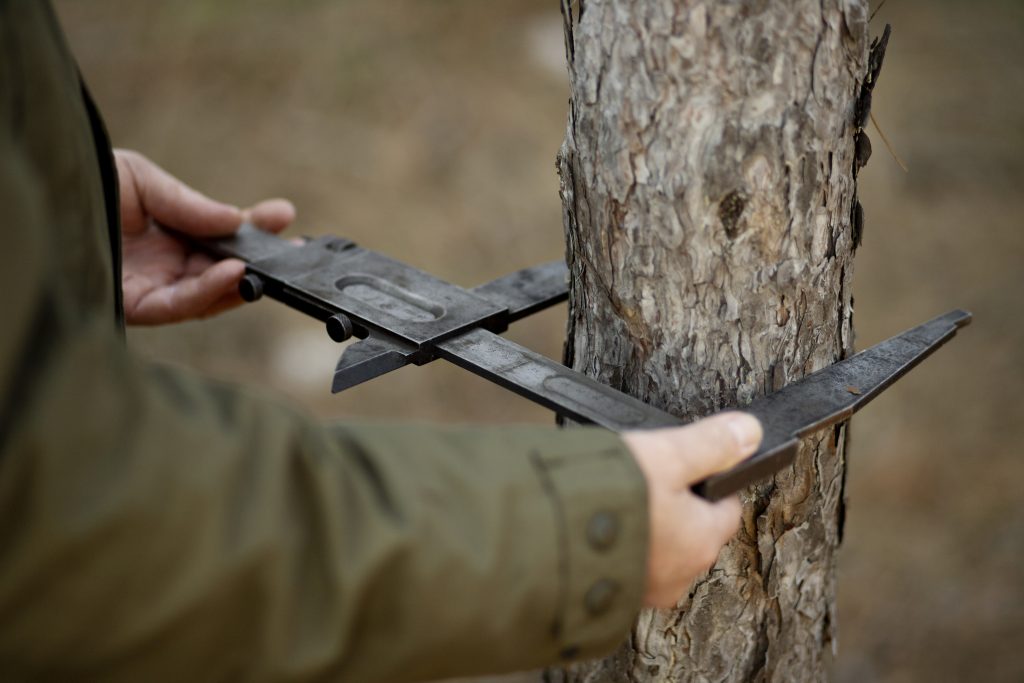
You’ll begin with a detailed visual and instrumental survey: measure diameter at breast height (DBH), note lean angle (>15° raises concern), quantify canopy dieback (>30% indicates decline), inspect for fruiting bodies and cavities, and probe roots for heave or girdling. Photographs, a basic decay map and a sounding or resistograph reading help quantify defects; crews typically record these data within a 30-60 minute inspection per tree.
You’ll receive a tailored plan listing methods (selective thinning, crown reduction 10-30%, pollarding, root pruning, cabling/bracing or removal), safety controls, crew size and estimated duration. Permit checks for protected trees are included; simple pruning often takes a single half-day, complex bracing or removal may need 1-3 days and a 3-5 person team.
For example, a 60 cm DBH oak with 40% deadwood may require 25% crown reduction plus two-mesh cable bracing; that typically needs a 3-person crew over 1-2 days. You should get a written quote showing labor, equipment (chipper/crane if needed), waste disposal and contingency time; expect cost ranges roughly from several hundred to a few thousand dollars depending on access and complexity.
You’ll be given a post-op care plan: mulch 5-10 cm over the root zone (avoiding trunk contact), water deeply during dry periods (weekly in the first growing season), avoid heavy fertiliser for 6-12 weeks, and monitor for fungal fruiting bodies or pest outbreaks for at least 12 months. Wound dressings are generally not recommended; let tissues callus naturally.
In practice, after a 30% crown reduction you’ll often see leaf flush within 4-6 weeks; however, watch for vigorous epicormic shoots that may need follow-up pruning. Soil aeration, addition of organic matter and occasional mycorrhizal inoculants can speed recovery, and any installed bracing should be inspected at 6 and 12 months to adjust tension or replace components.
You should schedule inspections every 6-12 months for risk trees and annually for street trees, with routine pruning cycles every 3-5 years to manage structure and clearance. Check cabling/bracing annually and maintain a service log with dates, DBH measurements and photos to track trends and justify future interventions.
Long-term, plan a 3-month post-surgery check, then 6- and 12-month reviews in year one, moving to annual or biennial assessments thereafter. For high-value specimens set a 3-5 year structural pruning timetable; for trees in public areas increase inspection frequency to twice yearly and record any new defects, root heave or soil compaction so you can act before problems escalate.
To wrap up, when selecting a tree surgeon you should verify qualifications, insurance, references, and a clear written quote; assess their experience with the specific tree work you need; ensure they follow safety and environmental best practices; and confirm scheduling and cleanup. Trust your judgement, ask pointed questions, and choose the contractor who demonstrates competence, transparency, and professional standards to protect your property and investment.