Just because a tree looks hazardous doesn’t mean removal is inevitable; in this post you will learn to spot misinformation about pruning, timing, permits, pest control, and cost so you can protect your landscape and make informed decisions about your trees.
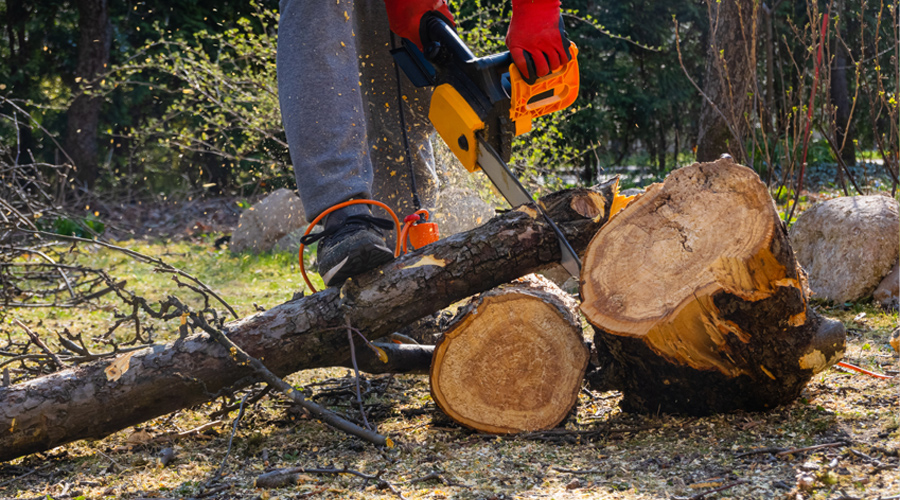
Tree surgery is the professional management of trees through surveying, pruning, removal, root work, and structural support to protect health and reduce risk; you should expect work guided by standards such as BS 3998 or ANSI A300. Typical tasks include crown thinning, crown reduction, deadwood removal, cabling/bracing and stump grinding, all performed with specialist kit-chainsaws, chippers, cranes and aerial platforms-by qualified arborists.
For perspective, a mature hardwood limb can weigh hundreds of kilograms and will fail unpredictably if decay goes unchecked, creating real liability exposure for you as an owner. In practice, timely pruning and decay management can extend a tree’s useful life by decades, support nesting birds and pollinators, and lower cooling loads in summer-choices that combine safety, ecology and long‑term value for your site.
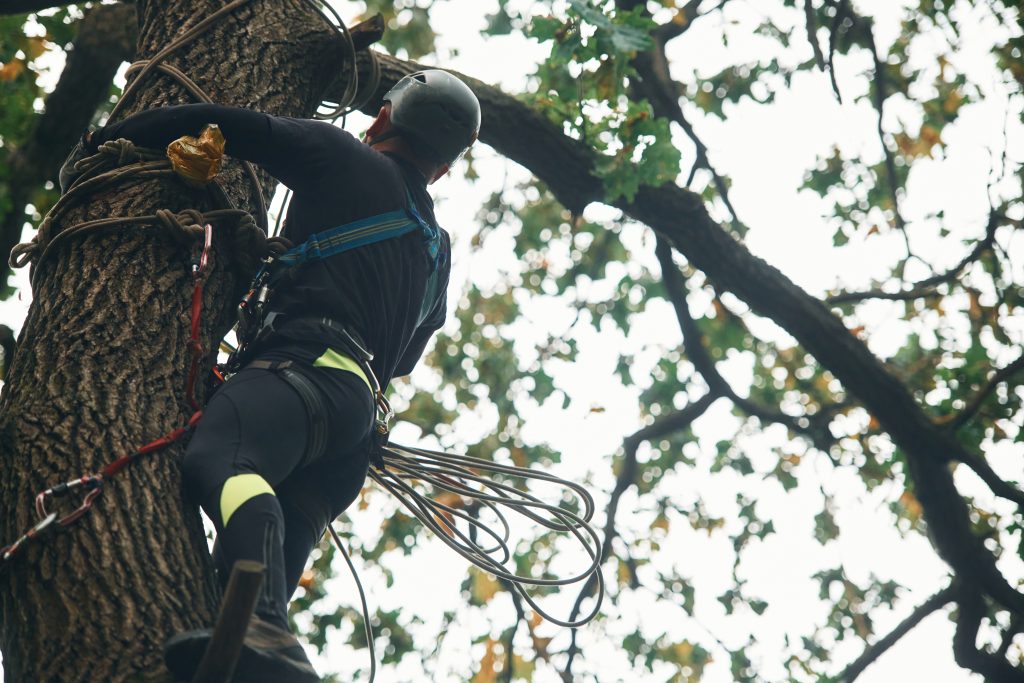
In more detail, sectional dismantling with cranes is standard for large removals in confined sites, while air‑spades are used to expose and repair root collars without excavation damage. Cabling and bracing using stainless steel fittings can stabilise union faults, and when you hire contractors look for ISA, LANTRA or NPTC qualifications, proper PPE use and documented method statements and risk assessments before work begins.
Preventive care includes scheduled inspections, targeted pruning and soil management to avoid future surgery. You should inspect trees twice a year-spring and fall-and prune young trees every 2-5 years to develop strong structure. Apply 2-4 inches of mulch, keep it pulled back from the trunk, and run soil tests every 3-5 years to guide fertilization and amendment decisions.
A practical program begins with a hazard inspection of trunk integrity, root-collar health and branch unions; if you find girdling roots, root-collar excavation or selective root pruning can restore stability. For pest outbreaks, deploy monitoring traps and localised treatments early to prevent spread. Document interventions and schedule follow-ups every 12-36 months based on species and site conditions to reduce emergency removals and extend service life.
You need a blend of arboricultural knowledge and technical skill: tree physiology, decay recognition, structural assessment, rope access, rigging, and precision chainsaw work. Many professionals complete 2-4 years of on‑the‑job training, hold ISA Certified Arborist credentials or NPTC units, and read load charts for rigging; contractors commonly carry at least £1 million in liability insurance because a single miscut limb can cause major damage.
You risk severe injury, property loss, and denied insurance claims when you tackle tree surgery without training. Falls from 10-20 feet and chainsaw kickback account for frequent hospitalizations and amputations, while work near power lines creates electrocution hazards and regulatory penalties; professionals mitigate these with harness systems, tag lines, and qualified spotters.
National data show tree work ranks among the most hazardous occupations. When you make improper cuts-such as topping or incorrect pruning wounds-you can induce decay and structural weaknesses that cause whole‑tree failure months later, shifting liability to you; insurers often deny claims if unlicensed or undocumented work caused the damage, leaving you responsible for multi‑thousand‑pound removals and repairs.
You should know that many interventions avoid major cutting: diagnostics like sonic tomography and resistograph locate decay without removal, air‑spade root excavation exposes and repairs compaction in hours, and targeted nutrient or pest injections treat internal issues with minimal wounding. Arborists also use cabling and bracing to stabilise weak forks, lightning protection to prevent explosive splits, and soil bioaugmentation to restore root health-often preserving the whole canopy while resolving the problem.
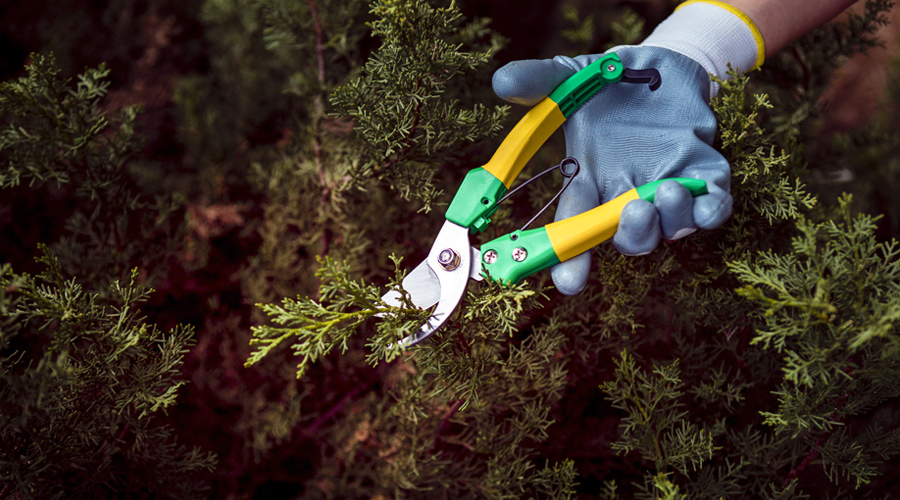
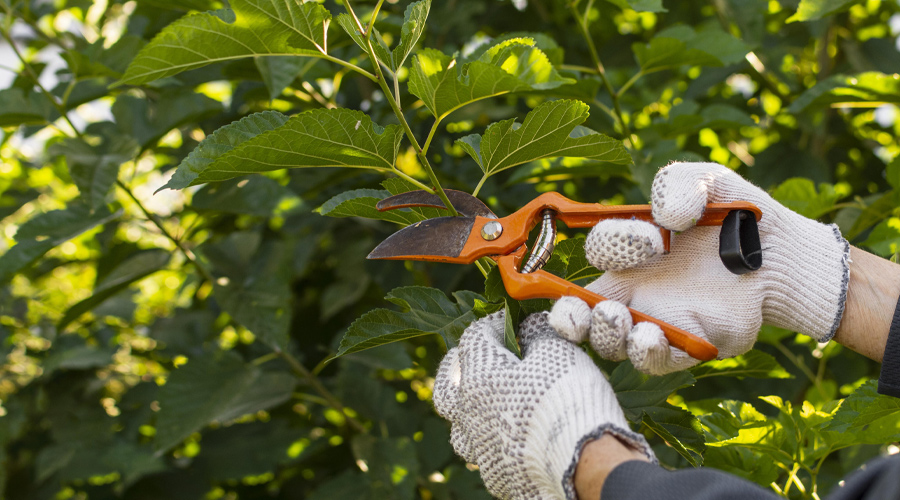
When you perform structural pruning on young trees (typically ages 5-15), selective removal of codominant stems and corrective shortening of competing branches establishes a strong central leader; for mature trees, selective thinning of periphery branches reduces storm loads and decay progression. Use the three‑cut method on larger limbs, keep pruning wounds outside the branch collar, and rely on incremental pruning plans documented over several years to maintain vigor and stability.
Many people think cuts permanently injure trees, but your tree walls off wounds through compartmentalization (CODIT), a process described by Alex Shigo; wound dressings rarely speed closure and can trap moisture. When you prune correctly-cutting just outside the branch collar and avoiding flush cuts or topping-you preserve the tree’s natural defense, minimise decay, and promote faster callus formation without compromising long-term structure.
Hiring a qualified arborist means you get work done to a high, competant standard: targeted thinning, removal of deadwood, and controlled crown reduction (generally no more than 25% of live crown at a time) to improve light penetration and reduce windthrow. You protect your landscape value, lower the chance of branch failure, and have professionals who diagnose pest or root issues that DIY pruning often misses.
Professionals also use specific techniques-directional pruning, crown cleaning, and selective reduction-plus soil and root assessments, cabling/bracing for defects, and scheduled inspections every 3-5 years. For example, a 50-year-old oak may benefit from removing shoots under 50 mm (≈2 in) to reduce canopy density while retaining major scaffold branches; that nuanced approach preserves photosynthetic capacity, limits decay progression, and extends the tree’s useful life.
Routine pruning typically runs £150-£1,000 depending on tree size and access, while full removals commonly range £500-£3,000 and emergency removals can exceed £5,000. You pay for risk mitigation, equipment and certified crew skills; that investment often prevents far higher repair bills – a single fallen limb can cause £5,000-£15,000 in roof and siding damage. Choosing targeted work rather than blanket removal gives you measurable value for money.
Proactive tree surgery preserves asset value and cuts future expenses: regular pruning extends a tree’s productive life by decades, lowers storm-damage risk, and can reduce cooling costs from well-placed shade by about 10-25% annually. If you factor in avoided emergency removals, reduced insurance claims and maintained curb appeal, routine maintenance frequently pays for itself over time and stabilises long-term ownership costs.
Now you can stop relying on myths about tree surgery; they can harm your trees, waste your money, and endanger you. Trust certified arborists for assessments, prioritise proper pruning and root care, and base decisions on species-specific needs and safety standards. This approach protects your landscape and ensures long-term tree health and safety.