
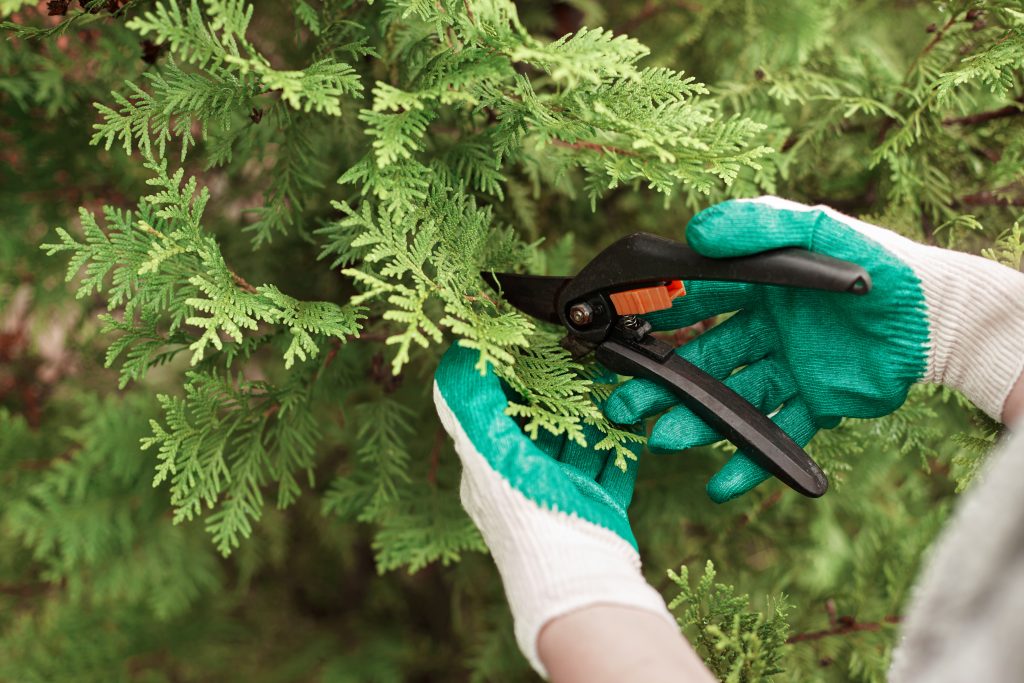
With the safety of your property and trees at stake, you should verify qualifications, public liability insurance, and professional certifications; ask for references and examples of similar work, check that methods and equipment follow current arboricultural standards, obtain a written quote and clear contract, and confirm waste disposal and aftercare plans so your trees and landscape are properly protected.
Understanding the Role of a Tree Surgeon
Definition of a Tree Surgeon
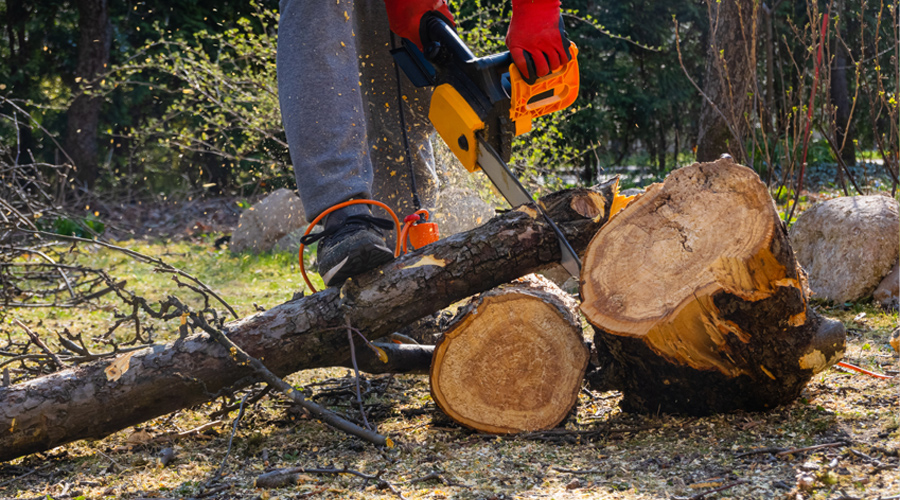
An arborist (tree surgeon) is a trained professional who manages tree health, safety and structure; when you hire one they perform climbing, pruning, removals and inspections to industry standards such as BS3998. You should expect competence with chainsaws, rigging and aerial work platforms, plus the ability to produce written risk assessments and method statements for complex jobs.
Services Offered by Tree Surgeons
Typical services include pruning (deadwood, crown reduction), felling, stump grinding, planting, pest/disease treatment and tree surveys like BS5837 reports for developments; you can also get emergency storm work and regular maintenance contracts. Many firms offer root investigations and soil aeration to improve tree longevity on urban sites.
In practice, services vary by scale: for example, crown reductions of 20-30% are common on mature trees to reduce sail area, stump grinders remove stumps 150-200mm below ground to allow replanting, and a BS5837 report for a small 3‑lot housing scheme typically lists tree constraints, root protection areas and protection fencing specifications. You should ask for examples of similar projects, equipment lists (crane/MEWP availability) and sample reports before commissioning work.
Importance of Qualified Tree Surgeons
Qualifications and insurance matter because improper work can damage trees or property; you should check for Level 3 diplomas/City & Guilds, NPTC chainsaw certificates, or ISA certification, plus public liability cover-commonly a minimum of £5 million in the UK-for larger contracts. Having documented training means they follow accepted arboricultural practice.
Going deeper, qualified operatives will issue a written method statement, provide before/after photos and reference clients for similar-sized jobs; on a 12-15m oak, for instance, incorrect pruning can accelerate decay and destabilise the stem within 2-3 years, so you want technicians who use BS3998 pruning cuts, appropriate rigging angles and decay assessment tools. Insist on proof of qualifications, insurance certificates with policy numbers, and confirmation that any subcontractors meet the same standards.
Qualifications and Certifications
Necessary Qualifications for Tree Surgeons
You should check for formal vocational qualifications such as NVQ Level 2 or 3 in Arboriculture or City & Guilds in tree work, plus NPTC certificates for chainsaw use and stump grinding; practical competence in rigging and aerial rescue is often demonstrated by IPAF or similar MEWP tickets for high-access jobs.
Industry Certifications to Look For
You can verify professional membership – for example an Arboricultural Association Registered Contractor or an ISA Certified Arborist – and consult resources like Choosing a Tree Surgeon to compare credentials against local standards.
Memberships usually require evidence of insurance, references and adherence to a code of practice: AA registration forces annual audits, ISA certification tests tree biology and risk assessment knowledge, and contractors with NVQ/NPTC records demonstrate hands-on competence; seeing specific certificate numbers and expiry dates lets you confirm currency.
Importance of Continuing Education
You should expect contractors to keep training logs and undertake regular CPD covering new pest/pathogen responses (eg. ash dieback protocols), updated pruning standards and safe use of new equipment, with high-risk skills like chainsaw and MEWP refreshed frequently.
Continuous training means you benefit from the latest best practice: for instance after ash dieback emerged many firms completed targeted surveys and biosecurity courses, while others adopted TRAQ or equivalent risk-assessment training to improve inspection consistency and legal defensibility of their recommendations.
Experience and Expertise
Length of Experience in the Field
You should prioritise surgeons with at least 5-10 years of hands‑on experience; crews with 10-20 years often handle complex mature specimens and large removals, while newer contractors may excel at routine pruning but lack experience with heritage trees or crane‑assisted dismantling.
Types of Projects Handled
Ask how many of each project type they complete annually – good firms will cite figures (for example 200+ small prunings, 50 commercial contracts, 10 crane lifts per year) and describe past jobs like sectional dismantling of a 30m oak or multi‑site clearance for a housing development.
- Pruning and crown maintenance for domestic and commercial sites.
- Full tree removal, including sectional dismantling and crane operations.
- Stump grinding and root management after removals.
- Emergency storm work and 24/7 response teams.
- Perceiving how they managed access, traffic control and neighbour liaison on past jobs reveals operational maturity.
| Pruning & Maintenance | Routine crown thinning, formative pruning, fruit tree restoration; usually 1-3 day projects. |
| Felling / Removal | Sectional dismantling, controlled felling, crane lifts for trees >20m or close to structures. |
| Stump Grinding | Portable grinders for 30-80cm diameter stumps, follow‑up root rot treatment if needed. |
| Emergency Work | Rapid response crews, chainsaw teams, and site clearing within 24-48 hours after callouts. |
| Commercial & Municipal | Large contracts, contract management, traffic management and permit handling for public works. |
In one example a contractor completed a two‑day sectional dismantle of a 30m beech in a suburban garden using a 3‑person rope access team and an aerial platform; you should ask for similar case studies that detail crew size, equipment (crane, chipper), permit requirements and cleanup times to gauge capability.
- Check for examples of utility line clearance and coordination with network operators.
- Review any portfolio items showing confined‑space removals or crane‑assisted lifts.
- Ask about a typical crew composition for complex jobs (climber, groundmate, supervisor).
- Perceiving their account of a difficult job – how they planned traffic management, neighbour notices and site restoration – indicates project control.
| Project Complexity | Typical Crew & Equipment |
| Low (pruning, small removals) | 2-3 person team, chippers, small grinder. |
| Medium (large removals, confined sites) | 3-4 person team, rope access, 30-60hp chipper, stump grinder. |
| High (crane lifts, municipal) | Crane operator, banksman, 5+ crew, traffic management, permits. |
| Emergency | On‑call team, rapid deployment vehicles, portable barriers, 24-48h response. |
| Long‑term contracts | Dedicated contract manager, scheduled maintenance plans, health & safety documentation. |
Specializations within Tree Surgery
You should identify specialisms such as veteran tree management, fruit tree grafting, utility vegetation clearance, or commercial site clearance; specialists often list qualifications (ISA, LANTRA, NPTC units) and can provide examples of work on heritage trees or powerline corridors.
For instance, teams specialising in veteran tree care will reference decay surveys and soil‑aeration programmes, while utility specialists describe working under live‑line safety protocols and network permits; you should request examples showing use of assessment frameworks like QTRA or TRAQ and specific tools (resistograph, sonic tomography) to verify technical depth.
Insurance and Liability
Importance of Insurance Coverage
You should insist on full insurance because tree work is high-risk and claims often run into thousands; many reputable UK firms carry at least £5 million public liability, while US contractors commonly hold $1-2 million general liability. You reduce your exposure by confirming cover for property damage, personal injury and any subcontractors involved, and by asking for a current certificate before work begins.
Types of Insurance Tree Surgeons Should Have
You need to verify several specific policies: public liability to cover third‑party damage, employers’ liability if staff are on site, professional indemnity for advice-related losses, motor insurance for vehicles and plant, and personal accident cover for severe injuries to workers.
- Public liability – covers damage to your property and third‑party injuries.
- Employers’ liability – required if the crew are employees and covers staff claims.
- Professional indemnity – protects against negligent advice or planning errors.
- Motor and plant insurance – necessary for vehicles, chippers and cranes on site.
- Recognizing that cover limits and exclusions vary, always request the certificate of insurance and check expiry dates and insured amounts.
| Public liability | Covers third‑party injury/property damage (typical limit: £5m-£10m). |
| Employers’ liability | Covers employee injury claims (UK minimum often £5m; varies by jurisdiction). |
| Professional indemnity | Protects against advice/design errors and survey mistakes (limits commonly £250k-£2m). |
| Motor/plant insurance | Covers vehicles, chippers, cranes and on‑site plant; check Hired Plant cover. |
| Personal accident | Provides benefits for serious injury or disability to workers; useful for catastrophic events. |
Check policy details: confirm insurer name, policy number, effective/expiry dates, territorial limits, and specific exclusions such as working at height above certain limits or using hired cranes; in one case study a homeowner avoided a £12,000 claim by verifying a contractor’s £5m public liability before work started. Ask the contractor to email the certificate and call the insurer if you need verification.
- Insurer name and contact – enables you to verify authenticity.
- Policy number and expiry date – ensures cover is current for your job.
- Declared activities – confirms tree surgery and use of chippers/cranes are listed.
- Cover limits and excess amounts – tells you potential shortfalls.
- Recognizing that verbal assurances aren’t enough, always obtain a documented certificate and keep it with your project records.
| Document | What to check |
| Certificate of insurance | Insurer, policy number, expiry date |
| Schedule/details | Listed activities (tree surgery, crane use, hire equipment) |
| Limits/excesses | Public liability, employers’ liability, PI amounts |
| Geographic/territorial scope | Works cover in your country/location |
| Endorsements/exclusions | Any clauses limiting cover for specific tasks |
What to Do if Accidents Occur
If an accident happens, make safety your first priority: call emergency services for injuries, secure the site to prevent further harm, and photograph damage. You should obtain names and contact details of witnesses, ask the contractor for their incident report and insurer details, and notify your own insurer within 24-48 hours to start a formal record.
After initial safety measures, collect evidence: time‑stamped photos, vehicle registrations, equipment serial numbers and a written statement from the crew. In one example, a fallen limb damaged a parked car; prompt photos plus the contractor’s insurance certificate resolved the claim within three weeks. Keep copies of medical reports and correspondence, and if liability is disputed, consider seeking specialist legal or arboricultural advice before signing any settlement.
Reputation and Reviews
Checking Online Reviews and Testimonials
Start by scanning at least 20 reviews across Google, Trustpilot and Yell; you should weight recent feedback from the last 12 months more heavily. Pay attention to photos of completed work, repeated notes on punctuality or damage, and company responses – a tree surgeon with a 4.7+ rating and 50+ verified reviews usually indicates consistent performance.
Importance of Local Recommendations
Tap into your neighbourhood for context: you get more relevant insight when neighbours share firsthand accounts about arborists familiar with local soil, council preservation orders and microclimates. A recommendation from someone nearby often reveals practical details you won’t find online, such as cleanup quality, permit handling and whether the crew respected adjacent properties.
Ask for specifics from the person recommending the contractor: which trees were managed, whether a TPO or planning consent was required, total cost and any unexpected issues. You should request contact details for two recent local jobs and, if feasible, visit the sites – seeing a neighbour’s freshly pruned oak or a tidy, stump-free lawn gives stronger assurance than star ratings alone.
How to Verify Reputation
Beyond reviews you should verify credentials: check membership with the Arboricultural Association or Tree Care Industry Association, confirm Public Liability insurance (commonly £5 million in the UK or $1-2 million elsewhere), and request a written, itemised quote. Cross-check company registration and any trade accreditations listed on their profile.
If you want airtight proof, phone the insurer to confirm policy dates and coverage limits, verify the membership number on the accrediting body’s website, and search for complaints via local trading standards or the Better Business Bureau. You should also request three references with phone numbers, compare quoted timelines to demonstrated work, and ask for before-and-after photos of similar jobs to assess technical competence.
Cost and Estimates
Factors Influencing the Cost of Services
Your final bill depends on multiple variables: tree height and spread, health and species, site access, and whether utilities or neighbors are affected; emergency call-outs and arborist qualifications add premium charges.
- Size and species – mature oaks or pines take longer and cost more than small ornamentals.
- Access and site complexity – roofs, fences, or narrow lanes increase labour and equipment needs.
- Additional work – stump grinding, chipping, or arboricultural reports raise the total.
- Thou should also factor in insurance verification, waste disposal fees, and any local permit charges when budgeting.
How to Obtain Accurate Estimates
Ask for on-site inspections rather than phone quotes: contractors who visit typically provide itemised estimates showing labour, equipment hire, waste disposal, and permit costs; aim to get three written quotes within two weeks to compare properly.
Probe for specifics: request a breakdown per tree, hourly rates (for example, £40-£80/hr per operative in the UK or $50-$120/hr in the US for skilled climbers), estimated crew size, and expected duration; verify whether the quote includes VAT/sales tax, stump removal, and clean-up so you aren’t surprised by add-ons.
Understanding Payment Methods and Terms
Expect common options like bank transfer, card payment, or cheque, with many firms asking for a deposit-typically 10-30% for larger jobs-and the balance on completion; insist on a written invoice and a clear scope of work before you pay.
Negotiate payment schedule tied to milestones: for a £1,200 job a 25% deposit (£300) followed by final settlement on satisfactory completion is standard; avoid large upfront payments, check for trade references, confirm that insurance and permits are paid by the contractor, and retain all receipts and the signed contract in case of a dispute.
To wrap up
To wrap up, when selecting a tree surgeon you should verify qualifications, insurance, references, and a clear written quote; assess their experience with the specific tree work you need; ensure they follow safety and environmental best practices; and confirm scheduling and cleanup. Trust your judgement, ask pointed questions, and choose the contractor who demonstrates competence, transparency, and professional standards to protect your property and investment.
FAQ
What qualifications and certifications should a tree surgeon have?
Professional tree surgeons should hold industry-recognised qualifications such as Arboriculture NVQs or diplomas, and membership of associations like the Arboricultural Association or the International Society of Arboriculture (ISA). These credentials indicate formal training in tree biology, pruning techniques, pest and disease recognition, and safe working practices.
How important is insurance and what policies should they carry?
Confirm the contractor has public liability insurance and employer’s liability insurance where applicable, with policy limits that cover potential property damage or personal injury. Verify the insurer and request a copy of the certificate; valid insurance protects you if branches damage property or someone is injured during work.
How can I assess a tree surgeon’s experience and reputation?
Ask for local references, case studies, or before-and-after photos of similar jobs. Check online reviews, ratings, and any complaints with trading standards or industry bodies. Experienced arborists can explain their approach to different species and site conditions and provide contactable references from recent clients.
What should be included in a written quote and contract?
A detailed written quote should list the scope of work, specific trees and operations (e.g., crown reduction, removal), start and completion dates, access requirements, waste removal plans, total cost, VAT breakdown, and payment terms. The contract should address liability, damage to property, and procedures for unexpected findings such as protected wildlife or diseased root plates.
How do I evaluate the safety practices and equipment used?
Ask about their risk assessment process, method statements, and whether crews use appropriate PPE, harnesses, helmets, and modern machinery like cranes or chipper vans when needed. A professional team will inspect the site for hazards, control public access during work, and follow safe tree climbing and rigging techniques.
What environmental and legal considerations should a tree surgeon handle?
A competent surgeon will identify protected species, check for tree preservation orders (TPOs), and advise on planning consents if required. They should propose methods that conserve wildlife habitats, recommend sustainable pruning cycles, and offer guidance on replanting if tree removal is necessary.
Should I expect guarantees or aftercare, and what does good aftercare involve?
Ask about workmanship guarantees for pruning or stump grinding and whether follow-up inspections are included. Good aftercare includes clearing debris, chipping or removing arisings as agreed, treating or disposing of infected material safely, and offering advice on watering, mulching, and monitoring wound closure or regrowth to ensure long-term tree health.