Just as you manage your landscape, tree surgery gives your trees targeted care that improves safety, health, and long-term value; by removing deadwood, correcting structural faults, and managing pests, you reduce risks of branch failure, promote vigour, and enhance property aesthetics, while professional pruning and assessment can extend tree lifespan and prevent costly damage, making tree surgery a proactive investment in your landscape’s resilience and appearance.
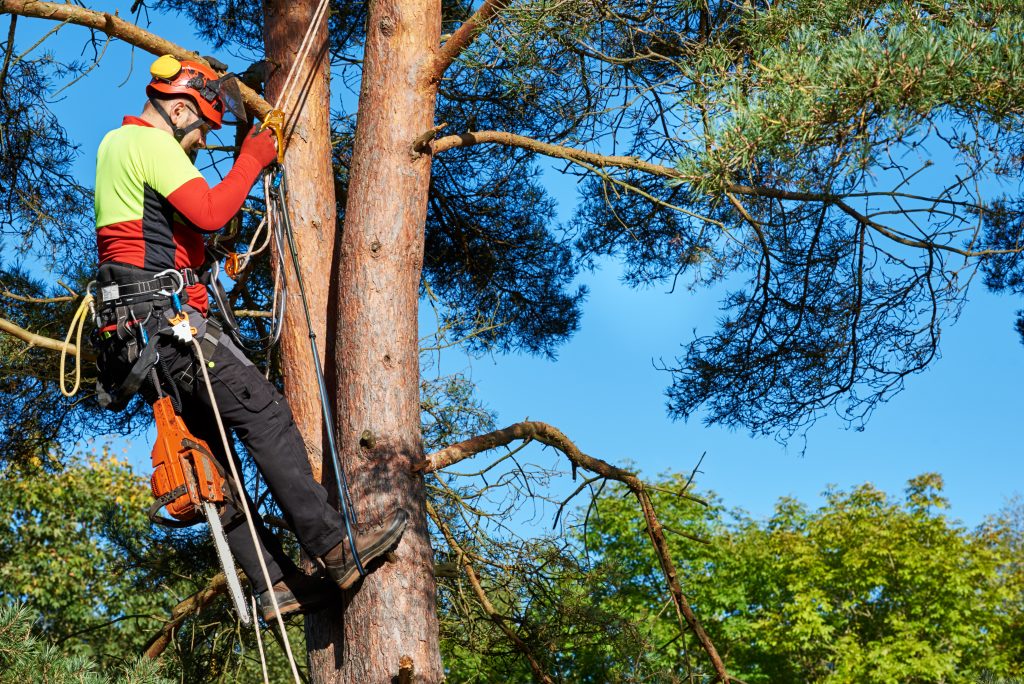
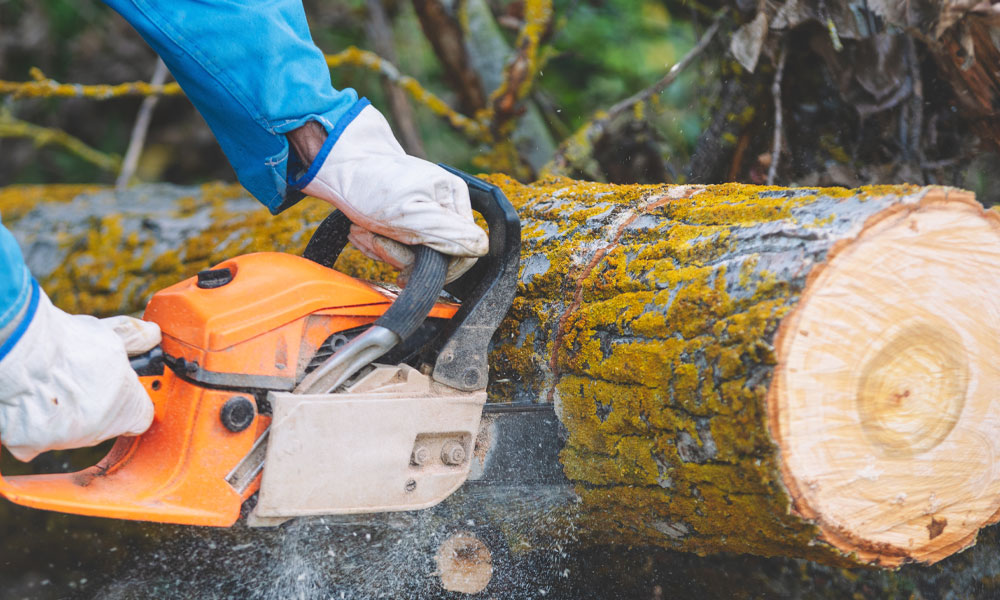
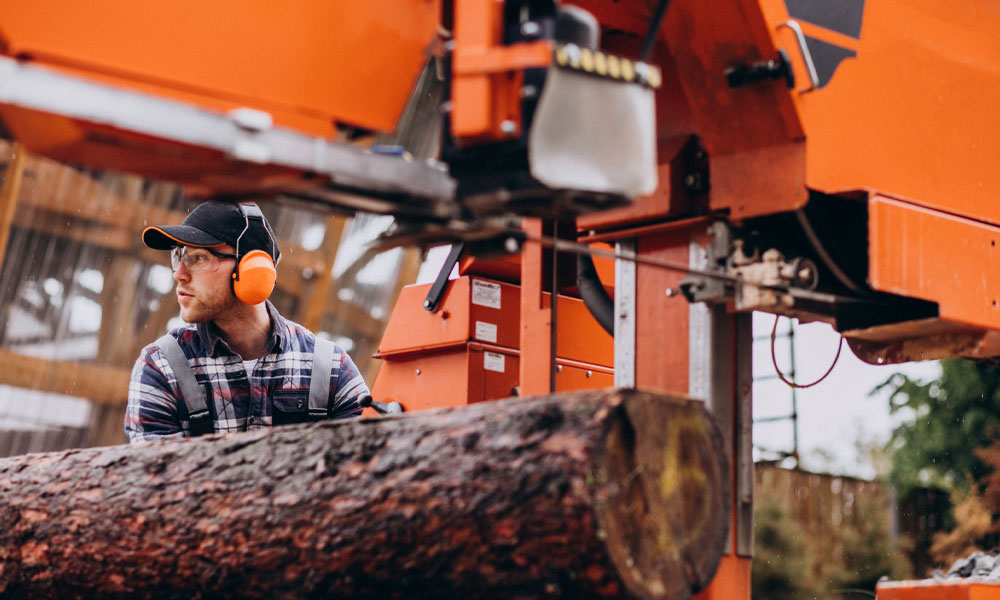
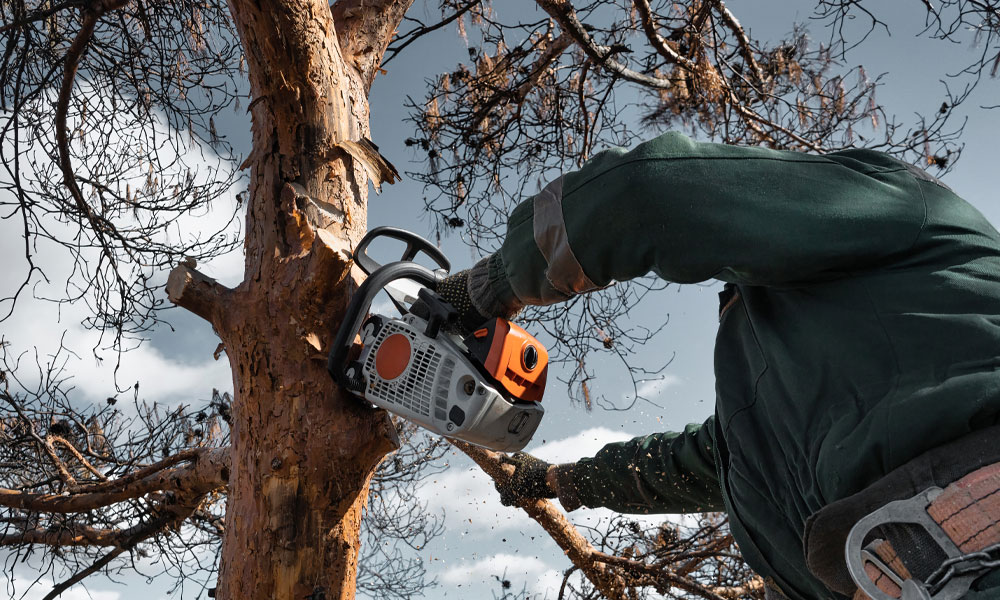
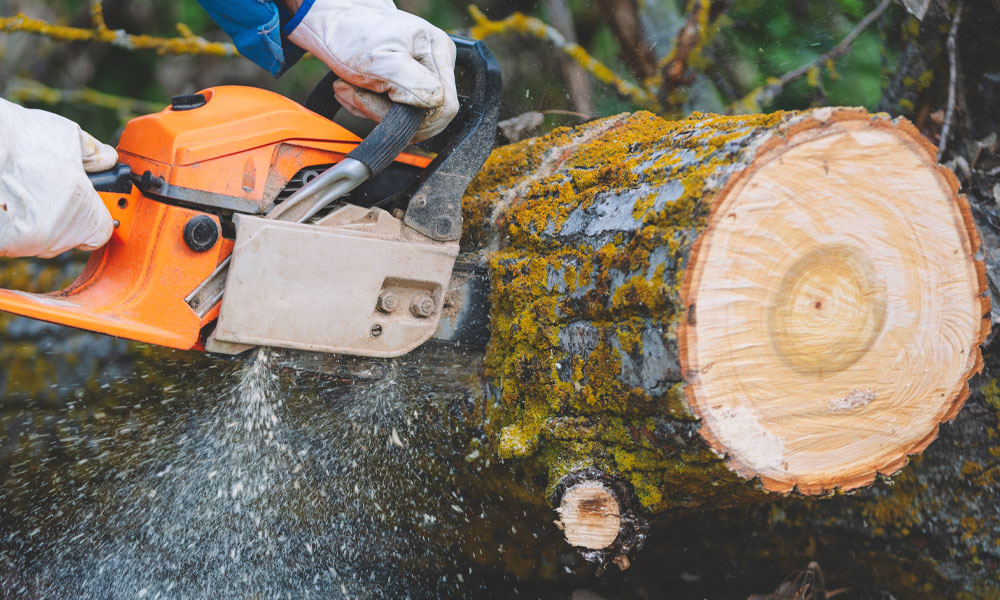
You should view tree surgery as the technical care of woody plants: pruning, crown reduction, cabling and bracing, root management, decay treatment and safe removals performed by trained arborists. Practitioners follow standards such as ANSI A300 and many hold ISA certification, using rope‑access, chainsaws and diagnostic tools like resistographs and decay detectors to assess and treat structural defects and diseases.
Proper tree care protects your investment and safety: well‑maintained trees can boost property values by roughly 5-15% and reduce summer cooling costs by up to 30% through strategic canopy placement. In urban settings, routine maintenance lowers limb‑failure rates during storms and limits liability from falling branches.
Schedule inspections every 1-3 years and prioritise structural pruning in the first 3-5 years to establish strong scaffolding; treat soil compaction, maintain 2-4 inches of mulch kept 2-3 inches from the trunk, and consider cabling for mature trees with codominant stems-these measures cut long‑term removal and replacement costs and preserve canopy benefits.
When you detect pathogens like Dutch elm disease, oak wilt, or chestnut blight, targeted pruning and sanitation cuts remove infected tissue and lower inoculum; removing and properly disposing of diseased wood within 24-48 hours limits spread. You can also use systemic fungicide injections that often protect a tree for 1-3 years, and follow-up inspections every 6-12 months ensure treatments are working and new infections are caught early.
If you face pests such as emerald ash borer (EAB), Asian longhorned beetle, or gypsy moth, tree surgery combined with monitoring and treatments saves canopy health; EAB has killed tens of millions of ash trees in North America since 2002. You should consider systemic insecticide injections effective for 1-2 years, pheromone traps for detection, and timely removal of heavily infested limbs to slow spread.
For more detail you can rely on diagnostic signs: EAB larvae create S-shaped galleries under bark and cause vertical splits, while gypsy moths defoliate rapidly-50-90% canopy loss in severe outbreaks. You may use biological controls like Bacillus thuringiensis for caterpillars, and employing an integrated pest management plan (monitoring every 3-6 months, threshold-based treatments) often gives the best long-term results.
Going deeper, your arborist can use tools like resistographs or sonic tomography to locate internal decay before cutting. Case examples show that combining a 20-25% crown reduction with targeted cabling can halve branch-failure incidents in high-wind events, and regular inspections every 1-3 years help you time interventions to preserve both safety and canopy value.
You can boost habitat value by preserving structural features during surgery: retain cavities, snags, and basal hollows where safe, and employ crown work that creates roost and nest sites. In the UK a single veteran oak can support over 2,300 species, illustrating how targeted management of individual trees multiplies benefits for invertebrates, birds and bats across a landscape.
In practice you should prioritise retaining large-diameter and veteran trees on-site and use minimally invasive techniques-crown reduction instead of felling where appropriate-to preserve microhabitats. Creating staged deadwood (standing and piled) and leaving root plates in low-risk zones fosters saproxylic invertebrates and fungal communities; these, in turn, support higher trophic levels, increasing local species richness and resilience to disturbance.
Your pruning and preservation choices directly affect carbon stocks and microclimate. By extending tree lifespan and preventing premature removal you maintain long-term carbon sequestration-an average tree sequesters roughly 48 lbs (≈22 kg) CO2 annually and can store about one tonne of CO2 over several decades-while canopy cover reduces local temperatures and can cut building cooling demand by around 20-30%.
Strategically, focus on protecting and strengthening large trees because biomass (and thus carbon storage) scales disproportionately with trunk diameter-roughly with diameter to the 2.5 power-so a single retained large specimen often holds more carbon than several small replacements. Your maintenance that limits decay, mitigates storm damage and promotes longevity therefore multiplies climate regulation benefits over decades.
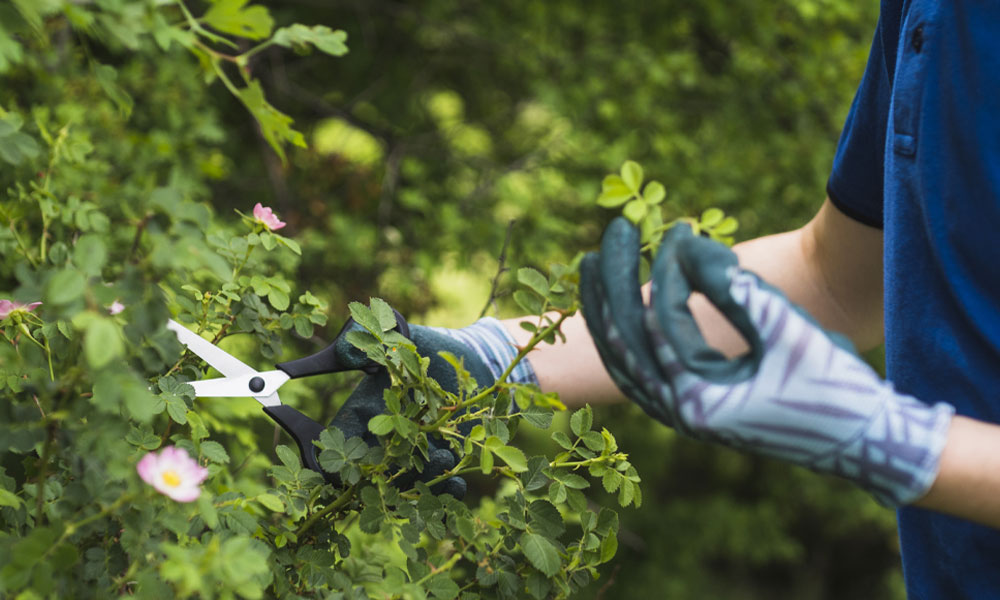
You can transform your yard by selective pruning and shaping: removing crossing branches, raising canopies to reveal sightlines, and training young trees into attractive forms. A single well-placed specimen-an ornamental pear or Japanese maple-often becomes a focal point, while layered planting and clipped crowns increase seasonal interest. In practice, targeted tree surgery can boost perceived curb appeal by 10-20% because buyers and visitors notice clean silhouettes, unobstructed views, and balanced proportions.
You benefit financially when tree surgery preserves and highlights landscape assets: studies commonly show well-maintained trees can raise property values by roughly 3-15% and speed sales. Structural pruning, pest control, and removal of hazardous limbs protect investments and prevent costly damage that would otherwise lower offers. Professional arboricultural work signals to buyers that the property has been cared for, which translates into stronger offers and less negotiation over maintenance credits.
For example, neighborhood analyses often find homes with mature, managed street trees sell faster and at higher prices than similar, tree-poor lots; one municipal study noted average sale-price uplifts in the mid-single digits when tree cover was present. You should weigh maintenance costs-routine pruning every 3-5 years and timely remediation-against the resale premium; in many markets a modest annual arborist budget yields a net positive return at sale.
You gain usable outdoor rooms by pruning for light, shade, and clearance: opening a lawn to sunlight, thinning canopy to reduce leaf litter, or creating a shaded nook for seating. Thoughtful crown reduction and branch removal let you place patios, play areas, or vegetable beds where they perform best, and shade trees can lower cooling loads-sometimes cutting summer energy use by up to 30% in the right configuration.
Practically, specify clearances-8-10 ft under branches for pedestrian pathways and 12+ ft for driveways-and coordinate root management when installing hardscapes. You can convert an overgrown border into a dining terrace by selective removals and canopy lifts, or frame a pool with layered evergreens and pruned specimen trees to improve privacy and airflow while keeping maintenance manageable.
You should inspect for signs like cavity depth, root plate heave, fungal conks and included bark; a 30-50 year-old oak with a 1.5 m cavity on the stem can lose 30-50% of load-bearing wood and may need crown reduction or removal. Use quantitative tools and a climbing inspection to avoid surprise collapse during high winds.
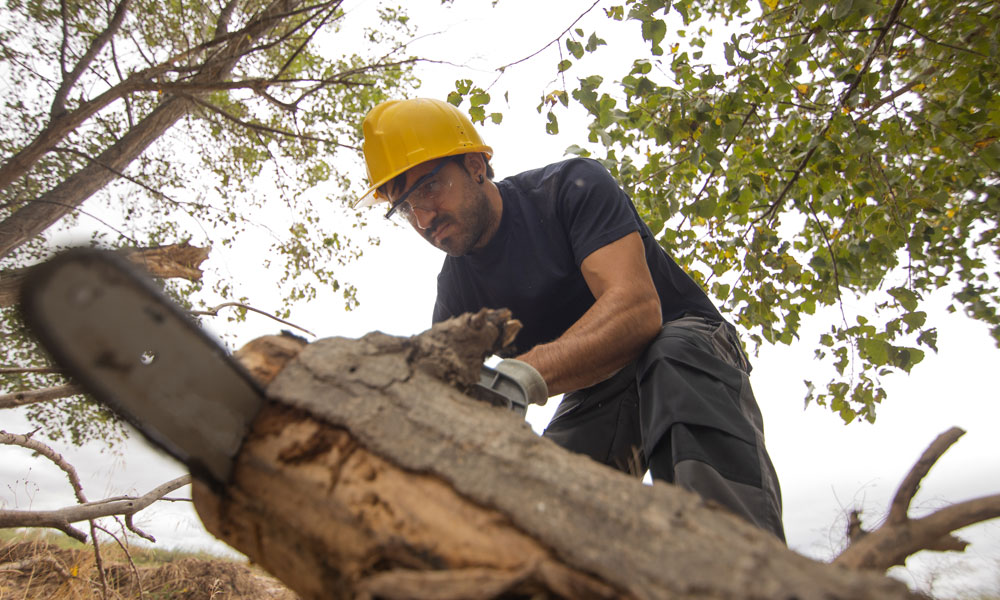
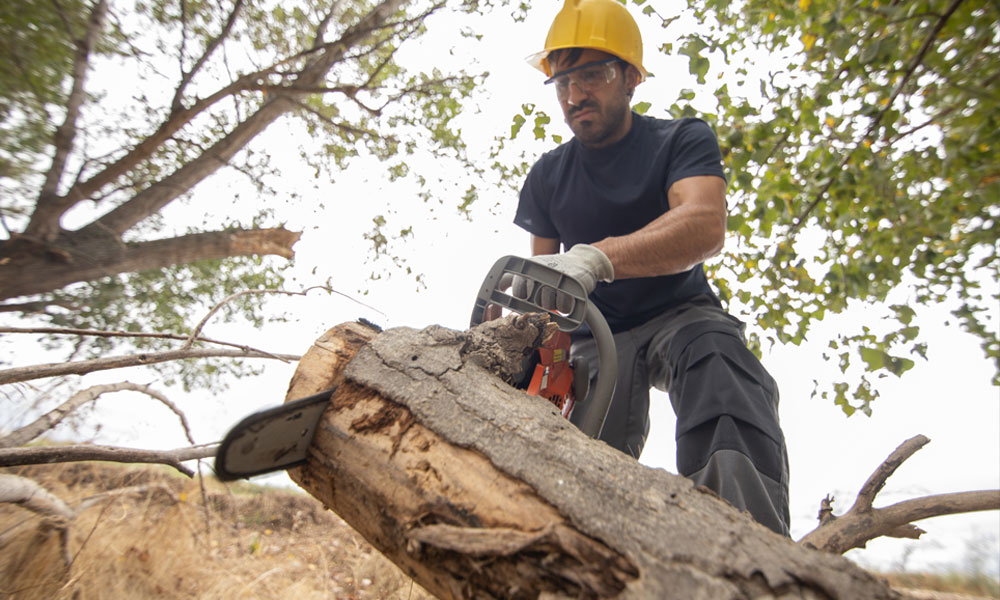
You can create exclusion zones, use taglines and controlled lowering techniques, and employ mechanical advantage (block and tackle or winch) to reduce falling-object risk when removing large limbs; always plan drop zones clear of people and assets. Wear appropriate PPE: helmet, cut-resistant trousers, eye protection and chainsaw boots.
In complex situations, calculate sling angles and load limits (single-point slings typically halve safe working load at 45°), pre-rig sections to handle estimated weights, and use MEWPs or rope-and-harness systems to position workers safely. A documented lift plan and a banksman controlling the exclusion zone reduce incident rates; for example, sectional dismantling near buildings often avoids repair costs exceeding £3,000-£7,000 compared with uncontrolled felling.
You should opt for qualified operatives: look for NPTC/LANTRA certifications, insurance (minimum public liability commonly £5m in commercial work) and adherence to BS 3998. DIY attempts often lack rope-access skills and risk assessment rigor, increasing the chance of property damage and personal injury.
Professionals bring specialised kit such as MEWPs, certified rope systems, and power winches, plus knowledge of TPO and planning restrictions-felling a protected tree without consent can lead to fines and mandatory replacement. When you hire a pro, verify qualifications, insurance documentation and a clear, written method statement before work starts.
By scheduling routine tree surgery every 3-5 years you lower the chance of costly emergency removals and property damage; preventive pruning and structural work can reduce long-term costs by roughly 20-40% compared with reactive responses, since removals and storm repairs often run from a few hundred to several thousand dollars depending on tree size, while maintenance extends tree life and preserves the asset value of your property.
You can access federal, state and local grants-such as USDA Urban & Community Forestry programs, state forestry cost-share schemes, utility vegetation-management funds, and nonprofit grants-to offset planting, pruning and inventory costs; many programs are designed to cover a meaningful portion of municipal or community projects.
State forestry agencies typically administer federal grants and frequently require a documented tree inventory, a clear management plan, and matching funds or in-kind contributions; grant sizes range widely (small community grants of $5,000 up to program awards exceeding $100,000), so preparing species lists, project timelines and clear community benefits improves your chance of funding.
Your investment in tree surgery directly supports local employment-arborists, climbers, equipment operators, and urban-forest planners-with typical crews of 3-12 people and projects that can create seasonal and year‑round positions, helping sustain small businesses and local service economies.
Career pathways include entry-level tree technician roles up to ISA Certified Arborist and urban-forest manager positions; wages commonly range from about $15-25/hr for crew members to $25-45/hr for certified specialists, while ancillary demand for nurseries, disposal services and equipment suppliers multiplies the local economic impact.
So by investing in professional tree surgery you protect your property, enhance safety, and restore tree health, while promoting biodiversity and extending the lifespan of mature specimens; these measures can raise your property’s value, lower long-term maintenance costs, and give you peace of mind about seasonal hazards.